
Trump Dismisses US Weapons Shortage Claims Amid 'Leaker' Crackdown
Trump denies US weapons shortage and vows to pursue information leakers. Discover his response to classified military supply concerns and security measures.
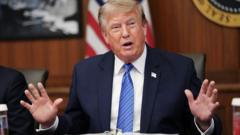
Trump Addresses Military Supply Concerns
The former president has publicly rejected assertions regarding a US weapons shortage, characterizing reports about military supply constraints as misguided or exaggerated. His statements represent a significant pushback against growing concerns about the nation's capacity to sustain advanced defense systems amid ongoing global security challenges.
Denial of Weapons Shortage Claims
Trump firmly contested the narrative surrounding a US weapons shortage, emphasizing that America maintains adequate stockpiles of critical defense materials. According to his remarks, the characterization of supply shortages fails to account for the true state of military preparedness. The former administration official suggested that public perception does not align with classified assessments available to policymakers and military leadership.
Classified Information Versus Public Analysis
While comprehensive data regarding military arsenals remains classified for national security purposes, information available through public channels indicates that the United States has consumed significant quantities of technologically advanced weapons systems. These weapons are notoriously challenging to manufacture, requiring specialized infrastructure, rare materials, and extended production timelines.
Focus on Information Security and 'Leaker' Investigations
Beyond addressing the weapons shortage question, Trump emphasized his administration's commitment to identifying and prosecuting those responsible for unauthorized disclosure of sensitive information. The phrase "hunted down" reflects the aggressive posture being adopted toward individuals suspected of leaking classified or sensitive government data.
Strengthening National Security Operations
The approach toward uncovering information sources represents a broader strategy to tighten security protocols within defense and intelligence agencies. Officials have indicated that enhanced vetting procedures, monitoring systems, and investigative resources will be directed toward preventing future unauthorized disclosures that could compromise military capabilities or strategic advantages.
The Reality of Military Supply Constraints
Despite Trump's denials, defense experts and independent analysts examining publicly accessible procurement records and defense spending data have documented instances where certain advanced weapons systems experienced production bottlenecks. Items such as precision-guided munitions, specialized drone systems, and advanced missile technologies require extended manufacturing periods due to their technical complexity.
Manufacturing Capacity and Production Timelines
The United States military-industrial complex faces legitimate constraints in rapidly replenishing sophisticated defense inventories. Modern weapons systems often depend on intricate supply chains, specialized labor forces, and cutting-edge manufacturing facilities. Ramping up production requires not only financial investment but also regulatory approvals and coordination among multiple contractors and government agencies.
Implications for National Defense Strategy
The debate over a US weapons shortage carries significant implications for military planning and international relations. How America manages its defense inventory impacts strategic decision-making, alliance commitments, and deterrence capabilities. Policymakers must balance immediate security needs with long-term manufacturing capacity and budget constraints.
Long-term Defense Planning Considerations
Military planners continue evaluating how to sustain technological superiority while managing finite resources. Investment in domestic manufacturing capabilities, automation technologies, and workforce development in defense sectors represents part of the comprehensive approach to ensuring robust military readiness for future contingencies.
Government Transparency and Intelligence Leaks
The issue of information leaks reflects broader tensions between government secrecy and public accountability. Citizens and lawmakers frequently debate the appropriate balance between protecting genuinely sensitive national security information and maintaining democratic oversight of government operations.
Trump's commitment to investigating those responsible for unauthorized disclosures demonstrates the administration's prioritization of operational security. However, the investigation process itself raises questions about methods, scope, and potential impacts on intelligence community morale and internal reporting procedures used to flag operational concerns.
Conclusion
Trump's denials regarding a US weapons shortage and his pledge to pursue information leakers represent competing imperatives within government: maintaining public confidence in military readiness while simultaneously securing sensitive defense information from unauthorized disclosure. The reality likely involves elements of both positions, with America possessing significant military capabilities while simultaneously facing legitimate supply chain challenges for certain advanced weapons categories. The ongoing investigations into information security breaches will likely influence how defense departments manage classified information in coming years.


