
Trump Administration Allocates $1.2B to Halt German Wind Energy Projects
Trump's administration pays German energy firm RWE $1.2 billion to cease US wind development projects, continuing efforts against renewable energy expansion.
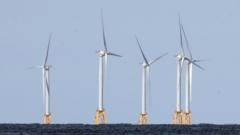
Major Financial Agreement Reshapes US Wind Energy Landscape
The Trump administration has approved a substantial financial settlement worth $1.2 billion directed toward halting wind energy projects across American territories. This agreement with a prominent German energy corporation represents a significant escalation in the administration's ongoing campaign against wind-powered electricity generation, a renewable source that has faced consistent criticism from the current leadership.
Understanding the Trump Wind Energy Halt Strategy
The Trump wind energy halt initiative continues to expand through negotiated buyout arrangements with major energy developers. The recent transaction demonstrates the administration's willingness to deploy substantial federal resources to reverse course on previously approved renewable installations. This approach marks a departure from earlier energy policy frameworks that encouraged diversified power generation portfolios.
The RWE Commitment and Project Cessation
RWE, one of Europe's largest energy conglomerates, has accepted the comprehensive settlement agreement to suspend its operational and developmental wind initiatives within United States boundaries. The German-based firm operates multiple wind farms and had ambitious expansion plans for additional turbine installations across several states. By accepting this financial arrangement, RWE effectively terminates these ventures, redirecting corporate resources toward alternative energy pursuits and international markets.
Part of a Broader Deregulation Movement
This transaction constitutes merely one element within an extensive portfolio of policy reversals targeting wind energy development. The administration has systematically dismantled regulatory frameworks previously established to facilitate renewable energy adoption. Multiple other energy companies have reached comparable settlements, suggesting an orchestrated effort to substantially reduce America's wind energy capacity and prevent future installations.
Historical Context of Wind Energy Opposition
The Trump administration's antagonism toward wind power development stems from longstanding ideological positions articulated throughout previous political campaigns. Wind energy has been repeatedly characterized as inefficient, environmentally damaging, and economically unviable. These criticisms have persisted despite substantial technological improvements and cost reductions in wind turbine manufacturing and installation.
Financial and Economic Implications
The $1.2 billion payment represents a considerable fiscal commitment to reversing renewable energy infrastructure development. Critics contend that these expenditures constitute wasteful government spending that contradicts stated fiscal conservatism principles. Conversely, administration officials argue that the investment prevents long-term economic disruption and protects traditional energy sector employment.
Impact on Energy Market Dynamics
The removal of competitive wind energy production capacity from American markets will likely strengthen fossil fuel sectors' position within the national energy economy. Reduced renewable energy supply could potentially increase electricity costs for consumers while simultaneously benefiting conventional power generation enterprises. Investors in traditional energy infrastructure view these policy shifts as economically advantageous developments.
Broader Policy Implications and Future Outlook
This wind project cancellation exemplifies the administration's commitment to fundamentally reorienting American energy policy toward fossil fuel prioritization. Expected executive orders and legislative proposals may further accelerate this transition, potentially affecting thousands of active wind installations and halting planned capacity additions. The cumulative effect of multiple such agreements could substantially reshape the nation's energy generation infrastructure and long-term environmental trajectory.


