
Train Track Defect Discovered at Lewes Derailment Location
RAIB investigation reveals critical track irregularity near Lewes derailment site. Initial findings uncover defect issues affecting rail safety and passenger operations.
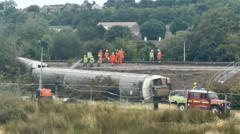
Track Defect Identified Near Lewes Derailment Investigation Site
A track defect has been discovered in proximity to the location where a recent derailment occurred near Lewes, according to preliminary findings released by the Rail Accident Investigation Branch (RAIB). The investigation team detected what officials have described as an "irregularity" in the rail infrastructure at the incident site, raising important questions about maintenance standards and safety protocols.
The track defect discovery marks a significant development in understanding the circumstances surrounding the derailment event. Inspectors identified the structural anomaly during comprehensive examinations of the rail line, which have been ongoing since the initial incident. The presence of this defect in such close proximity to where the derailment occurred has prompted deeper scrutiny into potential contributing factors.
RAIB Investigation Reveals Infrastructure Concerns
The Rail Accident Investigation Branch has intensified its focus on infrastructure integrity following the identification of the track irregularity. Preliminary examination results suggest that maintenance records and inspection protocols may require careful review. The agency's investigators have documented the specific characteristics of the defect, including its location, dimensions, and potential impact on train operations.
Officials confirmed that the detected abnormality does not meet standard specifications for rail track conditions. The irregularity's proximity to the derailment scene has led investigators to examine whether environmental factors, usage patterns, or maintenance lapses contributed to its development. The RAIB team continues gathering evidence and testimony from railway personnel and operators.
Safety Implications and Ongoing Assessment
The discovery of a track defect at this critical location has prompted immediate safety reviews across comparable rail sections. Network operators have implemented enhanced inspection routines in areas with similar characteristics to prevent additional incidents. The defect's presence underscores the importance of rigorous maintenance schedules and preventative monitoring systems.
Railway authorities have increased surveillance protocols along the affected corridor. Technical teams now regularly assess track conditions using advanced detection equipment designed to identify anomalies before they reach critical stages. This proactive approach aims to maintain passenger safety while facilitating continued rail service operations.
Investigation Progress and Future Steps
The RAIB's comprehensive examination process involves detailed analysis of multiple aspects related to the track defect and the broader circumstances of the derailment. Investigators are cross-referencing maintenance records, inspection logs, and operational data to establish a complete timeline. Additional findings are expected as the investigation progresses through subsequent phases.
Stakeholders including Network Rail, train operating companies, and safety regulators are actively engaged in supporting the investigation. The collaborative approach ensures that all available resources contribute to understanding what occurred and implementing necessary corrective measures. The agency has indicated that preliminary conclusions could be announced within forthcoming weeks as analysis deepens.
Infrastructure Maintenance and Prevention
The identification of this track defect reinforces the critical importance of systematic maintenance and inspection frameworks within the railway network. Industry standards require regular assessment of track geometry, rail condition, and drainage systems to prevent deterioration. The incident serves as a reminder that consistent vigilance and investment in infrastructure upkeep are essential components of railway safety management.
Network managers are evaluating whether additional resources should be allocated to inspection programs in this region. Training protocols for maintenance personnel are being reviewed to ensure personnel can recognize early warning signs of track degradation. Enhanced reporting systems are also under consideration to streamline the process of documenting anomalies.
Conclusions and Regulatory Response
As the investigation continues, the discovery of the track defect near Lewes represents a crucial element in understanding the derailment's root causes. Regulatory bodies will determine whether enforcement actions or policy modifications are warranted based on final findings. The ultimate goal remains ensuring passenger safety while maintaining efficient rail transport throughout the network.


