
Tragic Helicopter Collision in Greece Claims Two Firefighters' Lives
Two crew members die in a devastating helicopter collision during firefighting operations in Greece. A British pilot and another crew member survived the tragic incident.
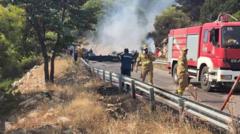
Devastating Helicopter Collision Claims Lives in Greece
A tragic helicopter collision in Greece has resulted in the death of two crew members during critical firefighting operations. The incident involved emergency response personnel who were engaged in aerial firefighting efforts when the collision occurred, leaving the aviation and emergency services communities in mourning.
The helicopter collision in Greece resulted in the loss of one Danish national and one Greek national. Both individuals were serving as crew members aboard the aircraft involved in the emergency response operation at the time of the tragic event.
Survivors of the Incident
Despite the severity of the collision, two crew members managed to survive the accident. A British pilot and another Greek crew member were rescued from the wreckage, providing some relief amid the tragedy. The survival of these individuals has been attributed to swift emergency response and rescue coordination efforts deployed immediately after the collision was reported.
Emergency Response and Investigation
Following the helicopter collision, emergency services quickly mobilized rescue teams to the crash site. Medical personnel provided immediate assistance to survivors and documented the extent of the incident for investigative purposes. The rapid response of local authorities helped secure the area and prevent further casualties.
Greek aviation authorities have launched a comprehensive investigation into the collision to determine the circumstances that led to the tragic event. Preliminary assessments suggest that multiple factors may have contributed to the accident during the ongoing firefighting operations. Investigators are examining flight data, weather conditions, and operational procedures to establish a complete understanding of what transpired.
Impact on Firefighting Operations
The helicopter collision underscores the inherent risks faced by aerial firefighting personnel who work in challenging and dynamic environments. These brave crews undertake dangerous missions to protect communities and combat wildfires, often operating in adverse weather conditions and complex terrain. The incident serves as a sobering reminder of the sacrifices made by emergency services personnel.
Firefighting helicopter operations require precise coordination, exceptional piloting skills, and comprehensive safety protocols. The presence of multiple aircraft in confined airspace during emergency operations increases operational complexity and demands constant vigilance from all involved personnel.
International Cooperation and Support
The helicopter collision has prompted expressions of solidarity from international aviation and emergency services communities. The involvement of personnel from multiple nations—Danish, Greek, and British crew members—reflects the international nature of modern emergency response operations and cross-border aviation cooperation.
Maritime and aviation authorities across Europe have reinforced their commitment to investigating such incidents thoroughly to improve safety standards and prevent similar tragedies from occurring in the future.
Tribute to Fallen Personnel
The two crew members who lost their lives in the helicopter collision are remembered for their dedication to protecting their communities and saving lives. Their sacrifice represents the dangerous reality of emergency service work and the profound commitment these professionals demonstrate to their duties.
The surviving crew members and their families, along with colleagues and friends of the deceased, are receiving support from respective authorities and emergency services networks. The incident has prompted renewed discussions about safety measures, training protocols, and equipment standards for aerial firefighting operations across the region.


