
Thousands Mourn Ayatollah Khamenei in Tehran's Historic Funeral Ceremony
Large crowds gathered in Tehran for Ayatollah Khamenei's funeral as his body lay in state. The ceremony continues through Monday at the Grand Mosalla.
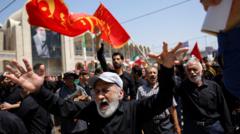
Historic Funeral Draws Massive Crowds to Tehran
The Ayatollah Khamenei funeral began with unprecedented attendance as thousands of mourners descended upon Tehran's most significant religious venue. The Ayatollah Khamenei funeral represents one of the most consequential events in modern Iranian history, drawing citizens from across the nation to pay their respects to the Supreme Leader who had guided the Islamic Republic for over three decades.
Since the opening of the viewing period, the Grand Mosalla has become the focal point of national mourning, with continuous streams of visitors arriving to participate in this solemn observance. The scale of attendance underscores the profound significance of the Ayatollah Khamenei funeral within Iranian society and its broader implications for the Islamic Republic's future direction.
Timeline and Ceremonial Arrangements
According to official announcements, Ali Khamenei's body will remain in state at Tehran's Grand Mosalla, one of the nation's most sacred religious spaces, extending through Monday. This extended viewing period allows the Iranian population and international delegations to participate in commemorating the late Supreme Leader's legacy.
The ceremonial schedule reflects the significant role Khamenei held within Iran's political and religious hierarchy. The Grand Mosalla's selection as the primary venue emphasizes the religious dimensions of the proceedings and ensures maximum accessibility for mourners from all regions of the country.
Journey Across Iran and Iraq
Following the Tehran ceremonies, Ali Khamenei's remains will embark on a solemn journey traversing Iran before proceeding to neighboring Iraq. This multi-national itinerary highlights the extensive influence the late Supreme Leader exercised throughout the region and demonstrates the deep connections between the Islamic Republic and Iraq's Shia-majority population.
The planned route through Iraq adds international dimensions to the Ayatollah Khamenei funeral proceedings, reflecting his prominence in Shia Islamic leadership circles and his significant diplomatic relationships throughout the Middle East. This transcontinental aspect of the funeral arrangements signals the geopolitical importance of his passing to regional stakeholders.
National Significance and Religious Impact
The Ayatollah Khamenei funeral carries immense symbolic weight for Iran's governmental institutions and religious establishment. As the Supreme Leader since 1989, Khamenei wielded extraordinary influence over military, judicial, and legislative branches of government, making his death a transformative moment for the nation.
The Grand Mosalla ceremony serves as a platform for both domestic mourning and international observation of Iran's transition period. Dignitaries, religious scholars, and common citizens converge to witness this historic moment, reflecting the diverse constituencies affected by Khamenei's three-decade tenure in power.
Broader Implications for Iran's Future
The Ayatollah Khamenei funeral marks a pivotal juncture in the Islamic Republic's trajectory. Questions regarding succession, institutional continuity, and Iran's regional posture loom large as the nation navigates this period of leadership transition. The funeral ceremonies provide crucial opportunities for different factions within Iran's establishment to demonstrate their commitment to stability and orderly succession.
International observers closely monitor developments surrounding the funeral, recognizing the potential consequences for regional geopolitics, nuclear negotiations, and broader Middle Eastern dynamics. The mourning period reflects Iran's internal processes for addressing supreme leadership transitions while managing international expectations and tensions.
Ceremonies and Public Participation
The extended viewing at the Grand Mosalla accommodates the extraordinary volume of citizens seeking to participate in the funeral observances. Security arrangements have been substantially enhanced to manage the massive attendance while maintaining the solemnity of the proceedings.
Religious protocols governing the funeral reflect Islamic traditions emphasizing honor, dignity, and community participation in mourning rituals. The ceremonies provide platforms for state officials to deliver eulogies, religious scholars to offer spiritual reflections, and ordinary Iranians to express their personal connections to the late Supreme Leader's leadership.


