
Thames Water's Financial Crisis Tests Burnham's Leadership Skills
Thames Water struggles financially despite 40% bill increases. Discover how this cash-strapped utility poses a major challenge for Burnham's governance and future recovery plans.
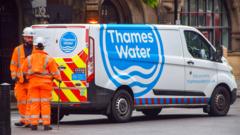
Thames Water's Financial Crisis Tests Burnham's Leadership
Thames Water's financial crisis continues to present a formidable challenge for Burnham, as the embattled utility company navigates treacherous economic waters despite recent attempts at recovery. Even after implementing a dramatic 40% increase in customer bills, the cash-strapped operator remains far from achieving genuine financial stability.
The water company's predicament reflects deeper systemic issues within Britain's utility sector. Thames Water's decision to raise rates significantly was meant to generate critical revenue needed for infrastructure investment and debt reduction. However, analysts and industry experts remain skeptical about whether these measures will prove sufficient for long-term viability.
Profitability Claims Mask Underlying Vulnerabilities
While Thames Water has technically returned to profit following the substantial bill hikes, this modest achievement should not overshadow the organization's continuing structural challenges. The company's balance sheet remains strained by substantial debt obligations accumulated over years of underinvestment in aging infrastructure.
Customer reactions to the 40% bill increase have been notably negative, with widespread complaints about affordability and service quality. Many households and businesses served by Thames Water now face difficult choices between paying water bills and covering other essential expenses. This growing burden on consumers raises important questions about the sustainability of current utility pricing models.
Infrastructure Challenges Persist
Beyond financial metrics, Thames Water confronts severe operational challenges rooted in decades of inadequate investment. The company's vast network of water pipes and sewerage systems shows alarming signs of deterioration. Leakage rates remain unacceptably high, with millions of liters of treated water lost daily to aging pipes requiring replacement.
These infrastructure deficiencies demand enormous capital expenditure in coming years. Estimates suggest that Thames Water needs to invest billions of pounds to bring its systems up to modern standards and meet environmental regulations. The question of how this investment will be funded remains contentious, particularly given the pressure on customer bills already strained by recent increases.
Regulatory Scrutiny and Governance Questions
Burnham faces intensifying scrutiny from regulators and political figures regarding Thames Water's management and strategic direction. The cash-strapped utility's governance record has drawn criticism from multiple quarters, including environmental groups concerned about pollution incidents and water quality issues.
The leadership must demonstrate concrete progress in addressing both immediate financial pressures and long-term operational improvements. Failure to do so could result in regulatory intervention or forced restructuring, adding further uncertainty to the company's future trajectory.
Future Outlook Remains Uncertain
Despite the 40% bill increase providing temporary relief, Thames Water's outlook remains decidedly uncertain. Analysts question whether current strategies will sufficiently address the company's debt burden while simultaneously funding necessary infrastructure improvements. The cash-strapped operation cannot simply rely on perpetual bill increases to solve its problems, as customer tolerance has clearly limits.
Recovery will require a multifaceted approach combining operational efficiency improvements, strategic investment in priority areas, and potentially significant organizational restructuring. Burnham's leadership will be essential in navigating these complex challenges while maintaining public confidence and regulatory compliance.


