
Taiwan and Southeast China Brace for Typhoon Bavi
Typhoon Bavi approaches Taiwan and Southeast China as a potentially devastating storm. The 1,000 km-wide system could become one of the strongest in decades.
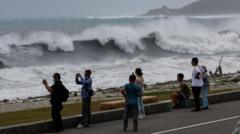
Typhoon Bavi Approaches East Asia
Typhoon Bavi is advancing toward Taiwan and southeastern China, positioning itself as a potentially catastrophic weather system that could rival some of the most powerful storms recorded in recent decades. The massive weather formation, stretching across 1,000 kilometers, presents significant threats to multiple regions across East Asia as meteorological agencies issue urgent preparedness alerts.
Unprecedented Scale and Intensity
The Typhoon Bavi system has garnered significant attention from regional weather authorities due to its extraordinary size and projected intensity. Forecasters have indicated that Typhoon Bavi could achieve strength levels comparable to historic storms documented over the past several decades. The sheer expanse of the storm system, covering approximately 1,000 kilometers in width, underscores the extensive area that will experience its impacts.
Expected Trajectory and Timeline
Current meteorological data shows Typhoon Bavi following a path directly toward Taiwan and the southeastern provinces of China. Weather prediction models continue to refine the exact trajectory, but the general direction of movement remains consistent. Regional authorities are actively monitoring the storm's development and adjusting evacuation protocols and emergency response strategies accordingly.
Regional Preparedness Efforts
Taiwan and southeastern Chinese provinces are implementing comprehensive emergency preparedness measures in anticipation of Typhoon Bavi's arrival. Government agencies have activated disaster response teams, mobilized emergency resources, and begun coordinating with local administration to ensure public safety. Residents in vulnerable areas are receiving guidance on evacuation procedures and shelter locations.
Previous Storm-Related Incidents
Recent typhoon activity in the region has already demonstrated the destructive potential of major storm systems. The Philippines experienced severe impacts from recent weather events, with landslides claiming at least 15 lives and causing extensive damage to infrastructure and communities. These tragic occurrences underscore the serious nature of the threats posed by major tropical cyclones throughout East Asia.
Historical Context of Major Typhoons
East Asia has experienced numerous devastating typhoons throughout recorded history, with some of the most destructive storms causing thousands of casualties and billions in damages. Typhoon Bavi's projected strength places it among systems that could potentially reach such historically significant impact levels. Meteorologists have emphasized that storms of this magnitude require exceptional preparation and coordination across all affected regions.
Monitoring and Forecasting Technology
Modern weather monitoring systems provide real-time data on Typhoon Bavi's development and movement patterns. Satellite imagery, radar systems, and advanced computational models enable forecasters to issue timely warnings and refine predictions as the system evolves. This technological capability allows governments to make informed decisions regarding public safety measures and resource allocation.
International Coordination and Support
Weather agencies throughout the region are maintaining constant communication to share data and coordinate response efforts related to Typhoon Bavi. International meteorological organizations provide additional analytical support to national weather services, ensuring that all available information contributes to comprehensive storm preparation. This collaborative approach enhances the effectiveness of disaster prevention and mitigation strategies.
Community Resilience Initiatives
Communities throughout Taiwan and southeastern China have implemented disaster preparedness programs to improve resilience against major typhoons. Local organizations conduct regular training exercises, maintain supply caches in strategic locations, and educate residents about storm safety procedures. These ongoing efforts represent essential investments in public protection against natural disasters.
Environmental and Climate Considerations
The occurrence of exceptionally strong typhoons like Typhoon Bavi reflects broader climate patterns affecting the Western Pacific region. Scientists continue to study how changing environmental conditions influence storm intensity and frequency. Understanding these relationships proves crucial for long-term disaster planning and climate adaptation strategies throughout East Asia.
Looking Forward
As Typhoon Bavi continues its advance toward Taiwan and southeastern China, authorities remain vigilant in monitoring developments and implementing protective measures. The coming days will be critical for determining the exact impact zones and final intensity levels. Residents should remain alert to official guidance and prepare accordingly for potential impacts in their respective areas.


