Tai Chi and Chinese Exercises Proven Effective for 1.7B People
Comprehensive review confirms high certainty evidence that tai chi and traditional Chinese exercises significantly improve musculoskeletal health outcomes worldwide.
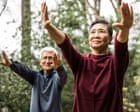
Comprehensive Study Validates Tai Chi for Musculoskeletal Health
A groundbreaking systematic review has established conclusive evidence supporting the effectiveness of tai chi and other traditional Chinese exercises for managing musculoskeletal conditions. The research demonstrates that tai chi musculoskeletal benefits extend far beyond simple physical activity, offering measurable improvements across multiple health dimensions for the approximately 1.7 billion individuals globally affected by these disorders.
The extensive analysis categorizes its findings as 'high certainty evidence,' representing the gold standard in medical research. This designation reflects decades of accumulated clinical data examining how practitioners of tai chi and related disciplines experience tangible health improvements. Researchers scrutinized numerous studies to reach these definitive conclusions about the therapeutic applications of traditional Chinese exercise modalities.
Multifaceted Health Improvements from Traditional Chinese Exercises
The comprehensive review documents that Chinese exercises benefits encompass several critical health parameters. Participants engaging in tai chi and similar practices report enhanced physical function, enabling better mobility and reduced limitations in daily activities. Pain reduction emerged as another significant outcome, with many individuals experiencing decreased discomfort and improved quality of life through consistent practice.
Beyond physical improvements, the research highlights substantial mental health advantages associated with regular tai chi participation. Practitioners demonstrate improved psychological well-being, reduced stress levels, and enhanced emotional resilience. Sleep quality represents another remarkable benefit, as individuals practicing these traditional disciplines report deeper, more restorative rest patterns.
Bone mineral density improvements constitute perhaps one of the most significant physiological benefits documented in the analysis. This finding proves particularly important for aging populations vulnerable to osteoporosis and fracture risk. The exercise protocols inherent to tai chi appear to stimulate bone remodeling processes, strengthening skeletal architecture through weight-bearing movements and gentle resistance patterns.
Global Impact on Musculoskeletal Disorder Management
Musculoskeletal conditions represent a major public health burden affecting every demographic across all geographic regions. The prevalence varies considerably depending on age, specific diagnosis, and individual risk factors, yet the universality of musculoskeletal challenges remains undeniable. From young adults experiencing workplace-related strain to elderly individuals managing age-related degeneration, musculoskeletal health concerns transcend socioeconomic, cultural, and geographic boundaries.
Tai chi health benefits offer a particularly valuable intervention strategy given the condition's widespread prevalence. Unlike pharmaceutical interventions requiring expensive medications or invasive procedures, tai chi provides an accessible, low-cost therapeutic option suitable for diverse populations. The practice requires minimal equipment, can be performed in virtually any setting, and adapts readily to individual fitness levels and physical limitations.
Evidence-Based Framework for Musculoskeletal Disorders Treatment
The systematic review synthesized findings from multiple rigorous clinical investigations, establishing a robust evidence base for musculoskeletal disorders treatment through traditional Chinese exercise approaches. This consolidation of research data provides clinicians and healthcare providers with scientifically-grounded justification for recommending tai chi and related practices to patients.
The methodology employed in this analysis represents current best practices in evidence synthesis. Researchers carefully evaluated study quality, examined effect sizes, and assessed consistency across diverse research populations. The resulting 'high certainty evidence' designation reflects confidence that observed benefits likely represent genuine therapeutic effects rather than artifacts of study design or reporting bias.
Traditional Chinese Medicine and Modern Healthcare Integration
This comprehensive validation of traditional Chinese medicine practices marks a significant moment in medical research history. For centuries, tai chi and related exercises have occupied important positions within Chinese health philosophy and practice. Contemporary scientific validation confirms ancestral insights about these disciplines' therapeutic potential, bridging traditional wisdom with modern evidence standards.
Healthcare systems worldwide are increasingly recognizing the value of integrating traditional exercise modalities into comprehensive treatment plans. Physical therapists, rheumatologists, and primary care physicians now recommend tai chi as a evidence-supported adjunctive therapy for musculoskeletal conditions. This integration reflects broader acceptance of non-pharmacological approaches to managing chronic health conditions.
Practical Implications for Patients and Healthcare Systems
The research findings carry substantial practical implications for individuals managing musculoskeletal conditions and the healthcare providers treating them. Patients seeking effective, sustainable interventions now have documented evidence supporting tai chi adoption. The practice's accessibility, safety profile, and multiple documented benefits position it as an attractive option for disease management and health optimization.
Healthcare systems benefit economically from promoting low-cost, effective interventions. Encouraging tai chi practice reduces burden on clinical resources while improving population health outcomes. Community programs, senior centers, and wellness initiatives increasingly incorporate tai chi instruction, recognizing its proven effectiveness and broad applicability across age groups and ability levels.
The confirmation provided by this landmark review establishes tai chi and traditional Chinese exercises as legitimate, scientifically-validated therapeutic modalities deserving integration into mainstream healthcare approaches for managing the 1.7 billion individuals affected by musculoskeletal conditions worldwide.