Strength Training for Women Over 40: Expert Guide
Discover how women aged 40+ can build muscle and strength effectively. Learn from certified trainers about resistance training, tools, and overcoming age-related challenges.
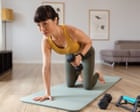
Building Strength After 40: What Women Need to Know
Strength training for women over 40 has become increasingly important as research confirms its transformative health benefits. While many assume that building muscle becomes impossible in midlife, certified trainers and exercise physiologists are proving this misconception wrong. Understanding how the body changes after 40 and adapting your approach accordingly allows women to maintain muscle mass, improve bone density, and enhance overall wellness at any age.
The biological reality is that our bodies do change. After age 40, women naturally lose approximately 3% to 8% of muscle mass per decade, with accelerated losses beginning at 50. This condition, called sarcopenia, affects how muscles respond to exercise and recovery times lengthen. Additionally, perimenopause compounds these challenges by making it harder to build strength and recover from workouts. However, strength training for women over 40 remains one of the most effective strategies to combat these age-related changes and maintain functional fitness.
Why Strength Training Matters More Than Ever
The benefits of consistent resistance training extend far beyond aesthetic goals. According to Leigh Breen, an expert in skeletal muscle physiology and metabolism at Birmingham University, "Regular aerobic and resistance training cuts the risk of almost every noncommunicable disease – type 2 diabetes, cardiovascular disease, Alzheimer's." This research demonstrates that strength training for women over 40 is not merely about appearance; it's a preventive health measure with profound long-term implications.
Women who engage in strength training after 40 experience improvements in metabolic health, bone density, cardiovascular function, and mental well-being. The investment in building and maintaining muscle mass pays dividends throughout the aging process, supporting independence, mobility, and quality of life in later years.
Expert Voices in Midlife Strength Training
Several accomplished trainers and fitness professionals have dedicated their careers to helping women master strength training for women over 40. Their combined expertise provides practical, evidence-based guidance for those beginning their strength journey in midlife.
Stephanie Gaudreau: Specialized Training for Mature Women
Stephanie Gaudreau is a certified personal trainer who founded Strong With Steph, a comprehensive program designed specifically for women over 40. Her approach addresses the unique physiological and hormonal challenges that women face during perimenopause and beyond, making her insights invaluable for those new to strength training in their 40s and beyond.
Anne Marie Chaker: Professional Perspective on Weightlifting
Anne Marie Chaker, a professional bodybuilder and author of "Lift: Women Reclaim Physical Strength and Transform Their Lives," brings credibility and practical experience to the conversation around strength training for women over 40. Her book serves as a comprehensive resource for understanding proper form, progressive overload, and mental resilience in weight training.
Caroline Idiens: Real-World Success at 54
Caroline Idiens, age 54, founded the popular fitness program Caroline's Circuits and authored "Fit at 50: Stronger, Fitter, Happier." As someone actively practicing strength training for women over 40 herself, Idiens demonstrates that the principles work in real life, not just theory. Her program emphasizes functional fitness and sustainable habit-building for mature women.
Kate Whetsel: Perimenopause Specialist
Kate Whetsel, age 51, is a certified personal trainer and health coach specializing in women navigating perimenopause. Her expertise in hormonal changes and their impact on training recovery and progression makes her particularly valuable for women experiencing the overlapping challenges of midlife and hormonal transitions while starting strength training for women over 40.
Essential Tools for Strength Training at Midlife
Building an effective home or gym setup doesn't require expensive equipment. The experts recommend focusing on versatile tools that support progressive training and proper recovery. Quality dumbbells, resistance bands, and recovery aids form the foundation of a practical strength training program for women over 40.
Resistance Equipment
Neoprene dumbbells remain a top choice among trainers working with women over 40. They offer comfortable grip surfaces, color-coded weight identification, and durability. Dumbbells allow for unilateral training, which helps identify and correct strength imbalances common after 40.
Recovery and Cooling Tools
Cooling towels and recovery accessories support the longer recovery periods that strength training for women over 40 often requires. Proper recovery between workouts is essential for muscle adaptation and preventing overtraining, particularly during perimenopause when hormonal fluctuations affect recovery capacity.
Getting Started With Strength Training Over 40
The transition to strength training for women over 40 requires patience, consistency, and realistic expectations. Experts recommend beginning with lighter weights and focusing on movement quality, progressive increases in volume, and adequate nutrition and recovery. Professional guidance from certified trainers specializing in midlife women helps establish proper form and prevents injury, which becomes increasingly important as connective tissue becomes more sensitive.
Consistency matters more than intensity when beginning strength training for women over 40. Starting with 2-3 sessions per week allows the body to adapt while building sustainable habits. As confidence and strength grow, women can increase frequency and intensity based on their individual goals and recovery capacity.