
Solar Panels You Can Plug In: What UK Shoppers Need to Know
Discover plug-in solar panels coming to UK retailers. Learn how this technology helps reduce energy bills and what homeowners should know before buying.
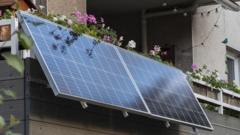
Revolutionary Plug-in Solar Panels Now Accessible to British Consumers
Plug-in solar panels represent an exciting innovation in home energy technology, and UK shoppers will soon have direct access to these devices through retail locations nationwide. The British government has endorsed this development, asserting that plug-in solar panels could enable households to achieve substantial reductions in their energy expenditure. This advancement marks a significant shift in how homeowners can adopt renewable energy solutions without requiring extensive installation processes.
The emergence of plug-in solar panels signals a transformation in the accessibility of solar technology for everyday consumers. Unlike traditional solar installations that demand professional setup and structural modifications, plug-in solar panels offer a more straightforward approach to harnessing solar energy. This technological breakthrough has prompted major retailers to prepare their shelves for consumer demand, recognizing the growing interest in affordable renewable energy options across the United Kingdom.
Understanding Plug-in Solar Panel Technology
Plug-in solar panels function by converting sunlight directly into electrical energy that can power household devices and appliances. The system operates by connecting to standard electrical outlets, eliminating the need for complex wiring or permanent installation infrastructure. This user-friendly design has attracted considerable attention from homeowners seeking to reduce their carbon footprint while simultaneously lowering monthly utility payments.
The technology behind plug-in solar panels incorporates modern photovoltaic cells that have become increasingly efficient in recent years. These cells capture solar radiation throughout the day and convert it into usable electricity. The portability of plug-in solar panels means households can position them in optimal locations to maximize sunlight exposure, whether on balconies, patios, or rooftops. This flexibility represents a major advantage over fixed installations that cannot be relocated or adjusted seasonally.
Government Support and Energy Bill Reduction Claims
The UK government has thrown its weight behind plug-in solar panels as part of its broader renewable energy strategy. Officials claim that plug-in solar panels could help homes significantly cut their energy bills, positioning this technology as a practical solution for households facing rising electricity costs. This governmental endorsement carries substantial weight, as it reflects confidence in the technology's effectiveness and potential impact on national energy consumption patterns.
Energy bills have become a pressing concern for British households, with costs escalating considerably over recent years. Plug-in solar panels offer a tangible method for consumers to take control of their energy spending. By generating their own electricity during daylight hours, homeowners can reduce their reliance on grid-supplied power, thereby decreasing their monthly invoices. The government's projection suggests that widespread adoption of plug-in solar panels could contribute meaningfully to household energy savings across the nation.
Retail Availability and Consumer Access
The expansion of plug-in solar panels into traditional retail environments represents a democratization of renewable energy technology. Previously, consumers interested in solar power had limited options and often faced significant barriers to entry, including high installation costs and technical complexity. The imminent availability of plug-in solar panels in shop near you changes this landscape dramatically, placing this technology within reach of ordinary shoppers embarking on their weekly retail trips.
Major retailers across the UK are preparing inventory to meet anticipated consumer demand for plug-in solar panels. This development indicates growing confidence in the market potential and reflects substantial consumer interest in accessible renewable energy solutions. The presence of plug-in solar panels in conventional stores rather than specialized suppliers enhances visibility and simplifies the purchasing process for interested households.
What Homeowners Should Consider Before Purchasing
Before investing in plug-in solar panels, homeowners should evaluate several important factors to ensure optimal results. Assessment of property location and prevailing weather patterns helps determine potential energy generation capacity. Properties receiving maximum daily sunlight will naturally benefit more substantially from plug-in solar panel installation than shaded locations.
Prospective buyers should also examine their current energy consumption patterns to establish realistic expectations regarding bill reductions. Households with higher electricity usage may experience more dramatic savings compared to those with modest consumption levels. Consulting available product specifications and comparing different plug-in solar panel models enables consumers to select solutions best suited to their particular circumstances and budget constraints.
The Future of Home Energy Independence
The introduction of plug-in solar panels into mainstream retail channels signals the beginning of a new era in residential energy management. As this technology becomes more widely available and consumers become more educated about its benefits, adoption rates are likely to accelerate throughout the United Kingdom. This shift toward distributed renewable energy generation represents a meaningful step toward greater energy independence and sustainability at the household level.


