
Ships Abruptly Reverse Course After Houthi Maritime Threats
Vessel traffic data reveals sharp directional changes as commercial tankers divert from Saudi Arabian ports amid escalating Houthi maritime security concerns.
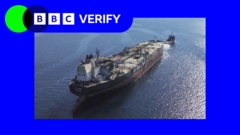
Tankers Execute Dramatic Course Reversals Amid Regional Maritime Tensions
Commercial shipping vessels have undertaken sharp directional reversals in response to escalating security concerns related to Houthi shipping threat activities in critical international waterways. According to detailed ship-tracking analysis, multiple tankers originally bound for or departing from Saudi Arabian ports have abruptly altered their trajectories, signaling heightened operational concerns within one of the world's busiest maritime corridors.
Tracking Data Reveals Pattern of Route Modifications
Real-time maritime monitoring systems have documented a significant pattern of vessel behavior changes across the region. The Houthi shipping threat has prompted shipping operators to reassess traditional routing strategies that have long relied on direct passages through contested waters. Ships that were previously scheduled to transit standard shipping lanes have instead implemented alternative navigation plans, effectively creating new maritime corridors to circumvent perceived risk zones.
Ship-tracking technology demonstrates that vessels originally planning direct approaches to and from Saudi ports have initiated course corrections well before reaching their intended waypoints. This proactive repositioning reflects growing industry recognition of operational vulnerabilities in conventional maritime pathways.
Impact on Global Supply Chain Operations
The maritime security adjustments are producing ripple effects across international commerce. Shipping companies operating within Middle Eastern waters are now compelled to implement enhanced navigation protocols and extended voyage planning. The decision to reroute represents a significant operational adjustment, as detours typically extend transit times and increase fuel consumption costs for commercial operators.
Tanker operators and major shipping firms are currently evaluating multiple alternative routes to maintain supply chain continuity while mitigating security exposure. The Houthi shipping threat represents an ongoing concern that requires dynamic operational responses from maritime logistics providers managing international petroleum and commodity flows.
Strategic Port Diversions and Alternative Routes
Beyond simple course corrections, shipping entities are implementing more comprehensive strategic adjustments. Several vessels have redirected their final destinations away from traditional Saudi Arabian port facilities toward alternative loading and unloading points in neighboring maritime zones. These substitutions involve longer transit periods but offer operators perceived security advantages.
The maritime industry's response demonstrates how regional security threats can fundamentally reshape established shipping patterns. Operators managing high-value cargo shipments are prioritizing route security considerations over traditional efficiency metrics. This represents a substantial shift in operational decision-making frameworks across the commercial shipping sector.
Broader Maritime Security Implications
The widespread course modifications underscore growing vulnerability assessments within international shipping communities regarding Middle Eastern maritime passages. The Houthi shipping threat has effectively created zones of operational uncertainty that influence routing decisions for multiple vessel categories and cargo classifications.
Historical data tracking patterns show that such significant routing deviations typically persist until security assessments improve or alternative infrastructure becomes fully established. The current maritime environment reflects heightened risk perception among shipping operators managing assets through geopolitically sensitive regions.
Industry Response and Future Outlook
Shipping industry stakeholders continue monitoring regional developments that may influence future routing determinations. The pattern of tankers executing sharp directional changes will likely persist as long as the Houthi shipping threat remains unresolved. Maritime authorities and commercial operators maintain heightened alert status regarding evolving security conditions affecting major petroleum transport corridors.
The documented course reversals represent practical industry adaptation to regional security dynamics. Port authorities, shipping companies, and international maritime organizations are collaborating on enhanced monitoring systems and coordination protocols. These collaborative initiatives aim to improve real-time security intelligence sharing that informs vessel navigation decisions throughout contested maritime zones.


