
Shipping Surge Through Strait of Hormuz Following US-Iran Peace Agreement
Multiple vessels navigate the Strait of Hormuz after US-Iran deal signing. Saturday recorded 42 ships transiting, marking increased maritime activity and regional stability.
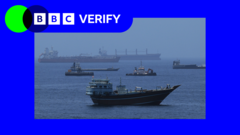
Surge in Maritime Activity Through Strait of Hormuz After US-Iran Deal
The Strait of Hormuz has experienced a notable increase in vessel transits following the signing of a comprehensive agreement between the United States and Iran, aimed at resolving longstanding tensions and bringing an end to regional conflict. This critical waterway, one of the world's most strategically important shipping corridors, has seen a significant uptick in commercial traffic as confidence in the region stabilizes. The uptick in Strait of Hormuz navigation reflects growing optimism about the durability of the accord and its potential to restore normalcy to international maritime commerce.
Record Vessel Movements Signal Growing Confidence
On Saturday alone, approximately 42 commercial vessels successfully transited through the strategic passageway, underscoring the dramatic shift in shipping patterns since diplomatic negotiations concluded. This substantial movement of cargo carriers, tankers, and container ships demonstrates renewed confidence among shipping companies and international traders who had previously exercised caution navigating these contested waters. The volume of maritime activity now reflects confidence that the political environment has fundamentally shifted in favor of stability and free passage.
Economic Implications of Increased Trade Flow
The reopening of reliable shipping lanes through this essential waterway carries profound implications for global commerce. International traders have long viewed passage through the Strait of Hormuz as essential to their supply chain operations, yet geopolitical tensions had created uncertainty and elevated operational costs. With the agreement now in place, shipping companies can resume normal route planning and reduce insurance premiums associated with navigating disputed waters. The economic benefits extend beyond individual businesses to encompass broader patterns of regional economic recovery and integration into global trade networks.
Regional Stability and International Recognition
The agreement represents a watershed moment in Middle Eastern diplomacy, with implications that extend far beyond maritime commerce. International observers have noted that the increased Strait of Hormuz traffic validates the agreement's effectiveness as a confidence-building measure. When multiple nations resume normal shipping operations through contested waters, it signals that all parties view the diplomatic solution as credible and binding. This pattern of behavior by commercial entities—which prioritize reliable, predictable conditions—often serves as the most authentic indicator of genuine political progress.
Strategic Importance of the Waterway
Approximately 21% of global petroleum liquids transit through the Strait of Hormuz annually, making it arguably the world's most critical maritime chokepoint. The waterway connects the Persian Gulf with the Gulf of Oman and the Arabian Sea, serving as the primary export route for oil and liquefied natural gas from major Gulf producers. Any disruption to traffic in this narrow passage carries immediate consequences for energy prices and global economic stability. The recent agreement's ability to restore normal traffic patterns therefore extends its significance well beyond regional concerns to impact international markets.
Forward Outlook for Maritime Commerce
Industry analysts anticipate that traffic volumes will continue expanding as companies adjust supply chains and restore previously delayed shipments. The agreement has effectively removed one of the most significant risk factors affecting shipping route selection and operational planning. Vessel operators can now confidently schedule transits through the Strait of Hormuz without subjecting themselves to the premium insurance costs and extended delays that characterized the previous period of heightened tensions. This normalization of operations should yield measurable economic benefits across multiple sectors dependent on reliable maritime logistics.


