Shetland Approves Subsea Tunnels to Connect Major Islands
Shetland councillors greenlight plans for subsea tunnels linking Mainland to Yell and Unst. Four tunnels proposed to end island isolation and boost regional development.
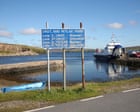
Shetland Council Backs Revolutionary Subsea Tunnel Initiative
The Shetland Islands Council has unanimously approved a comprehensive strategy to develop subsea tunnels that would fundamentally transform transportation infrastructure across the region. The groundbreaking approval marks a significant milestone in efforts to address long-standing connectivity challenges affecting several of Scotland's most isolated communities. These proposed subsea tunnels represent an ambitious infrastructure project designed to reduce isolation and stimulate economic growth in the northern archipelago.
On Tuesday, councillors voted to proceed with detailed financing investigations for the initial two subsea tunnel projects. These priority schemes would establish direct connections between Shetland's Mainland and two major northern islands: Yell and Unst. The decision represents the culmination of extensive planning discussions regarding regional infrastructure needs and demonstrates a renewed commitment to addressing transportation disparities that have persisted for decades.
Understanding the Four-Tunnel Development Plan
The comprehensive vision encompasses plans for up to four tunnels in total, though the initial phase focuses on the most strategically significant connections. The proposed subsea tunnels would fundamentally alter travel patterns for thousands of residents currently dependent on ferry services and lengthy commute times. By establishing fixed transport links, the projects would provide year-round accessibility independent of weather conditions that frequently disrupt maritime services.
The Mainland-to-Yell connection represents the first priority subsea tunnel, addressing transportation challenges for one of Shetland's most populated northern territories. This tunnel would eliminate current ferry dependencies and provide direct access for residents, businesses, and emergency services. The subsequent Yell-to-Unst subsea tunnel would extend connectivity further north, creating an integrated transport corridor serving the region's most remote communities.
Financial Investigation and Implementation Strategy
Council officials will now undertake comprehensive financing studies to determine viable funding mechanisms for the initial subsea tunnel projects. Investigators will examine potential funding sources including Scottish government grants, UK infrastructure programs, European development funds, and innovative public-private partnership models. The financing analysis represents a critical phase in determining project feasibility and realistic implementation timelines.
Shetland's decision to pursue subsea tunnels reflects growing recognition that traditional transportation solutions have failed to adequately serve island communities. Years of inadequate ferry services, weather-related disruptions, and limited connectivity have contributed to population decline and economic stagnation across the islands. The proposed subsea tunnels offer a transformative alternative that could reverse negative demographic and economic trends.
Expected Regional Impact and Community Benefits
Implementation of these subsea tunnel projects would deliver substantial benefits to Shetland's most isolated populations. Direct land-based connections would facilitate improved emergency medical services, enhanced educational opportunities, and expanded employment access. Businesses operating across multiple islands would experience significantly reduced operational costs and improved service delivery capabilities.
Tourism development represents another potential advantage of enhanced island connectivity. Fixed transport links would encourage visitor access to previously hard-to-reach destinations, supporting hospitality and tourism sectors across northern Shetland. Enhanced accessibility could attract new investment in accommodation, attractions, and service businesses currently constrained by unreliable ferry connections.
Addressing Decades of Infrastructure Challenges
The approved subsea tunnel initiative directly responds to prolonged community concerns regarding regional isolation and declining living standards. Ferry-dependent transportation has historically proven vulnerable to operational disruptions, environmental factors, and maintenance limitations. Residents have consistently advocated for permanent infrastructure solutions capable of providing reliable, weather-independent connectivity.
Council leadership emphasized that subsea tunnels represent a forward-thinking approach to regional development that acknowledges both immediate community needs and long-term growth potential. The investment signals determination to reverse historical infrastructure neglect and position Shetland's northern islands for sustainable economic and social advancement.
Next Steps in the Development Process
Following the council's approval, dedicated teams will commence detailed financing investigations throughout coming months. Specialist consultants will evaluate engineering specifications, environmental considerations, and economic viability for the planned subsea tunnel connections. Community engagement processes will accompany technical assessments to ensure local perspectives inform project development.
The timeline for initiating actual construction remains subject to financing outcome determinations and regulatory approval processes. However, council approval represents a decisive commitment to transforming Shetland's transport infrastructure and establishing permanent island connectivity solutions that will serve generations of island residents.