
Severe Thunderstorms Cause Disruption to Hundreds of UK Flights
Over 900 flights face significant delays at London's Heathrow and Gatwick airports following severe thunderstorms affecting southern UK regions.
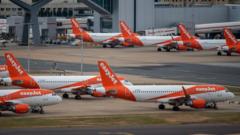
Thunderstorm Flight Delays Impact Major UK Airports
Flight delays thunderstorms have caused widespread disruption across London's busiest aviation hubs, with more than 900 scheduled services experiencing significant operational setbacks at both Heathrow and Gatwick airports. The severe weather system moving across southern regions of the United Kingdom has forced authorities to implement enhanced safety protocols, resulting in extended passenger wait times and cascading schedule disruptions throughout the day.
Scale of the Disruption
The magnitude of the current situation represents one of the more substantial weather-related disruptions experienced at these major transport facilities in recent months. Flight operations have been substantially affected, with aircraft unable to maintain their regular departure and arrival sequences due to the unpredictable atmospheric conditions sweeping through the region. Both airport operators have activated emergency procedures to manage the unprecedented volume of affected passengers and rerouted services.
Heathrow Airport Impact
At London's Heathrow, one of Europe's most significant international aviation centers, the atmospheric disturbances have created particular challenges for ground and airside operations. Airlines operating from this location have reported complications in boarding procedures, with numerous aircraft held at gates pending improved visibility and wind conditions. The airport's already complex traffic management system has faced additional strain as controllers work to sequence delayed departures while simultaneously managing inbound traffic attempting to land during these hazardous conditions.
Gatwick Airport Situation
Gatwick Airport, serving as the secondary major aviation facility for the capital region, has similarly experienced extensive schedule disruptions. The single-runway configuration of this airport makes weather-related delays particularly problematic, as aircraft cannot utilize alternate landing patterns. Passengers have endured extended delays in terminal buildings while meteorological conditions persist, with some services rescheduled for subsequent days.
Weather System Characteristics
The severe weather pattern responsible for these flight delays thunderstorms has originated from atmospheric instability developing south of the United Kingdom. Meteorological forecasters have identified the system as capable of producing intense precipitation, powerful wind gusts, and reduced visibility—all critical factors affecting safe flight operations. The thunderstorm activity shows no immediate signs of abating, with predictions suggesting continued disruption into evening hours.
Passenger Impact and Support
Hundreds of travelers have found themselves stranded at both aviation facilities, facing uncertain travel plans and extended waiting periods. Airport authorities and airline representatives have worked to communicate schedule changes and provide updated information to affected customers. Accommodations and meal vouchers have been offered to passengers facing overnight delays, though the unprecedented volume has created logistical challenges for support services.
Operational Response
Both Heathrow and Gatwick have implemented comprehensive response strategies to manage the crisis. Ground crews have remained on standby to expedite turnaround procedures once conditions permit safe operations. Air traffic control facilities have coordinated closely with weather services to identify brief windows of opportunity for critical flights to proceed. Additional staffing has been deployed to assist with passenger communication and rebooking efforts across multiple airline counters and customer service centers.
Future Flight Operations Outlook
As the meteorological system continues its progression across southern regions, airport management remains vigilant regarding further deterioration or improvement in conditions. Weather forecasts will continue to drive operational decisions throughout the evening, with airlines preparing contingency plans should the disruption extend into subsequent days. The situation demonstrates the significant vulnerability of modern aviation infrastructure to severe atmospheric phenomena, despite technological advances in weather monitoring and prediction capabilities.


