
Second Typhoon Strikes Eastern China Within a Week
A second typhoon has made landfall in eastern China within a week, forcing nearly two million evacuations in Zhejiang province. Wenzhou faces major threats.
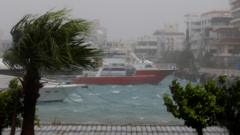
Second Typhoon Makes Landfall in Eastern China
China's eastern regions faced a significant natural disaster as a second typhoon made landfall within just seven days, intensifying the weather crisis affecting millions of residents. The second typhoon in China's eastern territories brought severe meteorological challenges to densely populated areas, prompting authorities to implement large-scale emergency protocols and protective measures across multiple provinces.
Mass Evacuations in Zhejiang Province
Approximately two million people were evacuated from eastern Zhejiang province as the storm system approached coastal and inland communities. This massive displacement represented one of the largest emergency relocations in recent years, as provincial authorities prioritized public safety amid escalating weather threats. Zhejiang province, a major economic hub in eastern China, mobilized extensive resources to facilitate the evacuation process and ensure vulnerable populations reached designated shelter facilities.
Wenzhou Faces Critical Threat
The coastal city of Wenzhou positioned itself directly in the anticipated trajectory of the approaching typhoon system. Local government agencies implemented heightened alert status and accelerated evacuation timelines for residents in vulnerable zones surrounding Wenzhou. The city's strategic location along the eastern coast made it particularly susceptible to the storm's most destructive potential, including high winds, torrential rainfall, and associated flooding risks that typically accompany such severe weather events.
Consecutive Typhoon Systems Impact Regional Infrastructure
The occurrence of two significant typhoons within a single week represented an unusual meteorological pattern that strained emergency response capabilities across the region. Infrastructure systems, including transportation networks, power distribution, and water supply mechanisms, faced considerable stress as communities prepared for the second typhoon impact. The close succession of these storm systems limited recovery time between events, complicating relief and reconstruction efforts.
Emergency Response and Preparation Measures
Regional authorities activated comprehensive disaster response protocols, coordinating between provincial, municipal, and local government levels to maximize effectiveness. Emergency management agencies prepositioned resources, personnel, and equipment to strategic locations throughout Zhejiang province. Medical facilities in major population centers prepared surge capacity protocols, while rescue teams remained on standby to respond immediately following the typhoon's passage through vulnerable communities.
Community Communication and Public Safety
Authorities maintained continuous communication with affected populations through multiple information channels, providing real-time updates regarding storm progression, evacuation routes, and shelter availability. Residents received guidance on securing properties, securing loose objects that could become projectiles, and preparing emergency supply kits containing essential medicines, water, and food items. The communication strategy emphasized the critical importance of heeding evacuation orders without delay.
Economic and Social Implications
The repeated typhoon impacts on eastern China's economically significant regions carried substantial consequences for businesses, agricultural sectors, and local economies. Manufacturing facilities, commercial establishments, and service industries faced potential disruptions, while agricultural areas confronted risks to crops and livestock. The second typhoon in such close succession compounded pre-existing economic pressures from the initial storm, requiring comprehensive disaster recovery planning.
Climate Patterns and Seasonal Considerations
Meteorological experts attributed the consecutive typhoon occurrences to seasonal atmospheric conditions and ocean temperature patterns characteristic of late summer and early autumn periods. The second typhoon formation followed typical tropical cyclone development patterns observed during peak storm seasons in the Western Pacific region. Understanding these meteorological mechanisms assisted in forecasting and preparing for future severe weather events threatening eastern China's vulnerable coastal populations.


