
Sam Fender Criticizes High Ticket Prices Before Upcoming Tour
Sam Fender voices discontent over elevated ticket prices ahead of his tour, stating he's 'not happy' with the reported costs on Instagram.
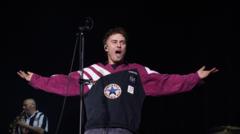
Geordie Artist Expresses Frustration Over Ticket Pricing
Sam Fender ticket prices have become a focal point of discussion as the Geordie musician prepares for his upcoming tour dates. Through a statement shared on Instagram, the artist made clear his dissatisfaction with the cost structure being implemented for his performances, indicating that the reported figures do not align with his vision for fan accessibility.
The decision to publicly address Sam Fender ticket prices reflects growing concern among performers about the affordability of live entertainment. During an era when concert expenses have reached unprecedented levels, the singer took proactive steps to communicate directly with his fanbase about his reservations regarding the financial barriers to attending his shows.
Understanding the Pricing Controversy
The conversation surrounding ticket costs for major touring artists has intensified considerably in recent years. Concert pricing structures often involve multiple stakeholders, including venues, promoters, and distribution platforms, each contributing to the final amount consumers must pay. When an artist of Sam Fender's stature publicly questions these figures, it raises important questions about who benefits from inflated pricing strategies.
Fender's frustration appears rooted in a desire to maintain accessibility for his core audience, particularly younger fans who may struggle with premium ticket costs. By stating he was "not happy" with the reported pricing, the artist positioned himself alongside consumers rather than separate from their concerns, demonstrating awareness of the economic pressures affecting music fans.
The Artist's Connection with Fans
Throughout his career, Sam Fender has cultivated a reputation for authenticity and genuine connection with his audience. This latest statement regarding ticket prices remains consistent with his established brand values. The Geordie singer has consistently demonstrated commitment to his fanbase through transparent communication and engagement across social media platforms.
Using Instagram as his chosen medium for this announcement proved strategic, allowing direct access to his followers without intermediary filtering. This approach reflects how contemporary artists leverage social media to bypass traditional media channels and speak candidly about industry concerns that affect both performers and attendees.
Industry Implications and Broader Context
Sam Fender's public stance on ticket pricing exists within a broader conversation about entertainment economics. The live music industry has experienced significant transformations post-pandemic, with attendee demand creating opportunities for venue operators and promoters to implement substantial price increases. However, such increases can paradoxically reduce attendance and diminish the live experience that forms the foundation of touring revenue.
When prominent artists speak out against high ticket prices, they influence industry conversations and consumer expectations. Fender's willingness to address this issue publicly may encourage other performers to reassess their tour economics and prioritize fan accessibility over maximum profit extraction per show.
Moving Forward with Tour Planning
The Geordie performer's comments regarding ticket pricing suggest potential adjustments to how his tour economics are structured. Artists typically have influence over pricing decisions, though specific control varies depending on contractual arrangements with promoters and venues. Whether Fender's public statement results in modified pricing strategies remains to be seen as tour dates approach.
His vocal opposition to excessive ticket costs sends a clear message to industry stakeholders about the importance of maintaining fair pricing practices. This stance could influence how other touring artists approach pricing negotiations and venue partnerships, potentially creating ripple effects throughout the live music sector.


