
Qatar LNG Explosion Kills 13 in Ras Laffan Industrial Disaster
A major gas explosion at Qatar's LNG processing facility in Ras Laffan results in 13 deaths and dozens injured. Details on the technical accident and emergency response.
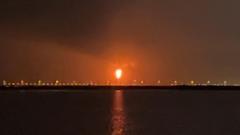
Qatar Gas Explosion Claims 13 Lives at Major LNG Hub
A catastrophic incident unfolded at one of the region's largest energy infrastructure sites when a Qatar gas explosion devastated the liquified natural gas processing operations in the Ras Laffan industrial zone. The deadly accident resulted in at least 13 fatalities and left numerous workers injured, prompting an immediate emergency response from authorities and international safety agencies.
The Incident at Ras Laffan Industrial Zone
The explosion occurred at the city's primary LNG processing facility, which serves as a critical hub for energy production in the Arabian Peninsula. Officials attributed the catastrophe to a "technical accident" within the operations at this major industrial complex. The Ras Laffan industrial zone houses some of the world's most advanced petroleum and natural gas extraction and processing infrastructure, making this incident particularly significant for global energy markets.
Understanding the Impact
The blast at this liquified natural gas accident site sent shockwaves through the facility and surrounding areas, affecting both personnel and equipment. Emergency crews arrived at the scene within minutes of the initial explosion, establishing safety perimeters and initiating rescue operations. The immediate medical response coordinated by local health authorities worked to stabilize the injured, while investigation teams began documenting the circumstances surrounding the industrial disaster Qatar experienced.
Rescue and Medical Response
Medical facilities across the region mobilized resources to accommodate the influx of injured workers. Dozens of individuals sustained injuries ranging from minor to critical conditions. Specialized trauma units provided emergency care, while helicopter ambulances transported the most severely affected patients to advanced medical centers. The coordinated response demonstrated the region's preparedness for industrial emergencies, though the scale of this particular incident posed significant challenges.
Investigation and Technical Analysis
Preliminary investigations into the Qatar gas explosion focused on equipment failures and operational procedures at the time of the incident. Safety inspectors examined the technical systems responsible for monitoring pressure, temperature, and other critical parameters within the processing facility. The phrase "technical accident" suggested equipment malfunction rather than human error, though comprehensive analysis would require detailed examination of maintenance records and operational logs.
Global Energy Sector Response
The incident at this crucial LNG processing facility attracted attention from energy companies worldwide, as the facility represents a vital component of global liquified natural gas supply chains. International safety organizations offered technical assistance to support the investigation. The disaster prompted discussions within the industry regarding equipment maintenance protocols and worker safety standards at similar installations globally.
Economic and Strategic Implications
The Ras Laffan industrial zone contributes substantially to Qatar's economy and supplies energy resources to numerous countries across Europe, Asia, and beyond. Any disruption to operations at this site carries implications for global energy prices and availability. Authorities prioritized assessing the extent of facility damage and estimating the timeline for resuming operations at reduced capacity or full capacity once repairs and safety certifications were completed.
Community Support and Ongoing Assistance
The families of those killed and injured received support from government agencies and private sector employers. Memorial services and counseling services were made available to affected workers and their relatives. The industrial disaster Qatar prompted discussions about implementing additional safety measures and training programs at similar facilities throughout the region.
Safety Standards and Future Preventive Measures
Following this incident, facility operators reviewed their maintenance schedules and safety protocols to prevent similar accidents at the liquified natural gas accident site and other installations. Enhanced monitoring systems and redundant safety measures were evaluated for implementation. Industry experts recommended comprehensive audits of comparable facilities to identify potential vulnerabilities before they could result in catastrophic failures.
The tragedy at the Qatar gas explosion serves as a sobering reminder of the inherent risks associated with processing and handling volatile energy resources at industrial scale, reinforcing the critical importance of rigorous safety standards in the energy sector.


