Poultry Growth Strategy Threatens UK Food Security
Critics warn UK poultry expansion plan jeopardizes national food security due to dependency on imported animal feed and vulnerable supply chains.
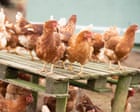
Government's Poultry Expansion Creates Security Concerns
A controversial poultry growth plan put forward by the UK government faces mounting criticism over its potential impact on national food security. Environmental advocates and industry specialists have raised serious concerns about the initiative's reliance on imported animal feed sources, exposing the country to significant supply chain vulnerabilities that could undermine long-term agricultural resilience.
Food Security Initiative Under Scrutiny
The government has positioned domestic food production as a cornerstone of its national strategy, with officials emphasizing the importance of reducing reliance on international imports. Environment Secretary Emma Reynolds addressed this focus during her keynote speech at the Groundswell agriculture festival earlier this month, stressing that enhanced food security depends on increasing consumption of domestically produced goods.
To advance this agenda, the administration established the Farming and Food Partnership Board, a collaborative initiative bringing together prominent agricultural and food industry representatives. Board membership includes influential figures such as the president of the National Farmers' Union and senior executives from the Food & Drink Federation, positioning the organization to shape policy direction across the sector.
Contradictions in the Expansion Strategy
Despite the government's stated commitment to strengthening national food independence, critics argue the proposed poultry growth plan contains fundamental contradictions. The expansion framework reportedly depends heavily on international animal feed procurement, creating a structural vulnerability that undermines the stated objective of reducing dependency on external supply sources.
Campaigners contend that scaling up domestic poultry production without simultaneously securing reliable domestic feed supplies represents a misguided approach to food security. This dependency creates exposure to global market fluctuations, geopolitical disruptions, and potential supply chain interruptions that could destabilize the entire production system.
Supply Chain Risk Assessment
The animal feed supply chain presents particular challenges for the proposed expansion. Current global feed markets remain subject to numerous pressures, including weather disruptions, trade restrictions, and international demand fluctuations. By expanding poultry production while maintaining reliance on imported feedstuffs, the government risks creating an agricultural system that appears domestically independent while remaining fundamentally vulnerable to external shocks.
Security experts warn that such structural dependencies have historically proven problematic during international crises. Previous disruptions to global supply networks have demonstrated how quickly external pressures can cascade through interconnected agricultural systems, affecting domestic food availability regardless of local production capacity.
Industry Perspective on the Initiative
The Farming and Food Partnership Board faces pressure to address these concerns within its strategic planning. Member organizations must balance ambitious production targets against practical constraints related to feed security and supply chain resilience. Industry leaders recognize that sustainable growth requires comprehensive planning that addresses both production expansion and input security simultaneously.
Path Forward for Policymakers
Moving forward, the government must reconcile its food security objectives with the practical realities of modern agricultural production. Addressing the poultry growth plan's vulnerabilities will require developing integrated strategies that secure domestic animal feed supplies alongside production expansion initiatives. Without such comprehensive approaches, the initiative risks achieving short-term production gains while creating long-term national security vulnerabilities that contradict the government's stated policy objectives.