
Port of Rotterdam Under Pressure to Accelerate Green Energy Transition
Legal action challenges Europe's largest port to rapidly reduce fossil fuel reliance. Discover how Rotterdam is responding to environmental demands and sustainability goals.
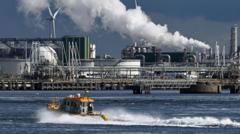
Legal Challenge Prompts Urgent Green Transition at Major Port
The Port of Rotterdam, Europe's largest maritime hub, faces mounting pressure to expedite its shift toward green energy solutions. A significant lawsuit has been filed against the port authority, demanding accelerated action to substantially reduce its operational dependence on fossil fuel companies and establish more aggressive environmental targets.
The Lawsuit and Its Implications
The legal action represents a critical moment for the Port of Rotterdam green energy initiatives. Environmental advocates argue that current decarbonization efforts lack sufficient urgency and concrete timelines to meet increasingly stringent European environmental standards. The lawsuit targets the port's existing partnerships with traditional energy providers and questions whether the current trajectory adequately addresses climate commitments.
This legal pressure reflects broader concerns about the port's substantial carbon footprint. As one of the world's busiest shipping hubs, the Port of Rotterdam green energy transformation is essential not only for regulatory compliance but also for maintaining its competitive advantage in an environmentally conscious global market.
Rotterdam's Current Environmental Initiatives
The port has implemented various sustainability programs, including shore power infrastructure for vessels, renewable energy investments, and partnerships aimed at reducing emissions. However, critics contend these measures remain insufficient given the scale of operations and environmental urgency. The Port of Rotterdam green energy projects, while noteworthy, require substantial expansion and acceleration.
Shore power systems allow docked ships to disconnect from onboard engines and connect to renewable electricity sources. This technology significantly reduces emissions during port stays. Additionally, the port has invested in solar installations and hydrogen research facilities.
Fossil Fuel Reduction and Alternative Energy Sources
The core demand of the lawsuit centers on substantially reducing the port's exposure to fossil fuel firms. This includes reconsidering long-term contracts with traditional energy suppliers and prioritizing renewable alternatives. The Port of Rotterdam's transition toward sustainable operations requires strategic repositioning of its energy portfolio.
Renewable energy adoption at major ports presents both technical and financial challenges. Wind power installations, liquefied natural gas facilities, and hydrogen infrastructure represent potential pathways forward. However, implementing these solutions at Europe's largest port demands significant capital investment and operational restructuring.
European Port Sustainability Standards
The Port of Rotterdam green energy transformation occurs within the context of stricter European environmental regulations. The EU's Green Deal and various maritime regulations increasingly demand that major ports demonstrate measurable progress toward decarbonization objectives. Port operators face intensifying expectations from regulators, customers, and environmental organizations.
Other European ports are simultaneously advancing their own sustainability initiatives, creating competitive pressure. Ports that lead in environmental innovation may attract shipping companies prioritizing green credentials. This competitive dynamic further motivates the Port of Rotterdam's green energy expansion efforts.
Stakeholder Perspectives and Market Response
The lawsuit has mobilized multiple stakeholder groups, including environmental organizations, shipping companies, and local communities. Many shippers increasingly demand greener port facilities, reflecting consumer and regulatory pressures on their own supply chains. This market shift supports the legal action's fundamental premise that rapid transformation is both necessary and commercially viable.
Port management acknowledges environmental responsibilities while emphasizing the complexity of transitioning Europe's largest maritime facility. Balancing operational continuity, financial sustainability, and environmental goals requires careful strategic planning and substantial investment.
Future Outlook and Timeline Expectations
The Port of Rotterdam green energy transition will likely accelerate in response to legal and regulatory pressure. Industry analysts expect the port authority to announce enhanced climate commitments and accelerated renewable energy investments. Timeline expectations for achieving specific emission reduction targets will become increasingly important in demonstrating genuine environmental commitment.
The outcome of this lawsuit may establish precedent for environmental accountability at major European ports. Success in achieving meaningful fossil fuel reduction at the Port of Rotterdam could inspire similar legal challenges and voluntary initiatives elsewhere in Europe's maritime infrastructure.


