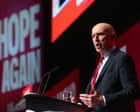
Polanski: Green Leadership Doesn't Hinge on Byelection Win
Green party leader Zack Polanski states his authority is independent of the Holborn and St Pancras byelection outcome, amid peaked party momentum.
Green Party Leadership Independence
Zack Polanski, the leader of the Green party of England and Wales, has made clear that his position and authority within the party structure remain unaffected by the results of the upcoming Holborn and St Pancras byelection. The Green party leadership challenge comes at a critical moment as the organization faces questions about sustained momentum and electoral viability across the country.
In an exclusive statement, Polanski addressed concerns about whether securing this particular parliamentary seat would be essential to maintaining his credibility as party figurehead. His comments suggest a strategic reassessment of how party leadership success should be measured, moving beyond individual electoral victories.
The Knife-Edge Contest Context
The Holborn and St Pancras byelection represents an ambitious attempt by the Green party to capture what was previously Keir Starmer's constituency during his time as a Labour Member of Parliament. Polanski characterized the electoral dynamics in this London seat as genuinely competitive, describing the race as operating on extremely narrow margins.
According to Polanski's assessment, the byelection contest currently presents a "50/50" proposition, indicating neither major party holds a commanding advantage. The description of the race being "really on a knife edge" underscores the unpredictable nature of voter sentiment in this particular battleground, where traditional Labour strongholds face emerging Green party challenges.
Party Momentum and Leadership Questions
The timing of Polanski's remarks arrives amid broader speculation that the Green party's electoral surge may have reached its zenith. Recent months have witnessed increased scrutiny regarding whether the party's polling improvements represent sustainable growth or temporary fluctuations in voter preferences.
By decoupling his leadership legitimacy from byelection performance, Polanski appears to preempt potential criticism should the party fail to capture the seat. This strategic positioning reflects confidence in alternative measures of leadership success, including party membership growth, policy influence, and long-term organizational development.
Labour's Traditional Stronghold Under Pressure
Keir Starmer's former constituency has historically served as a Labour bastion in central London. The fact that the Green party leadership candidate is mounting a serious challenge in this location demonstrates the shifting political landscape within urban progressive constituencies.
The byelection emerges from specific circumstances requiring a vacant seat to be filled, creating an unusual opportunity for opposition parties to challenge established representatives. For the Green party, this represents a chance to demonstrate cross-party appeal beyond their traditional support base.
Strategic Implications for Party Direction
Polanski's statement carries significant implications for how the Green party frames success metrics moving forward. Rather than concentrating exclusively on immediate electoral gains, the leadership appears committed to building institutional capacity and policy influence regardless of specific seat outcomes.
This approach suggests the party is preparing contingencies for various byelection results while maintaining internal cohesion. By establishing that leadership continuity transcends individual electoral performance, Polanski positions himself to maintain authority and guide the party through its evolving political role.
Broader Green Party Trajectory
The comments reflect a maturation in how the Green party approaches political competition. Rather than treating each contest as determinative of overall party health, leadership now emphasizes sustained organizational development and policy advancement as primary success indicators.
The party's recent electoral performance has generated both optimism and questions about sustainability. Comments regarding peaked popularity suggest party strategists recognize potential headwinds, necessitating a more nuanced understanding of what constitutes meaningful progress for the organization.