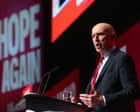
PM Launches Ambitious Campaign to End Rough Sleeping by Christmas
Prime Minister pledges £100m to eliminate street homelessness this winter. Local leaders urged to help rough sleepers off streets by Christmas in major drive.
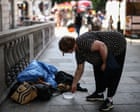
Government Pledges New Initiative Against Street Homelessness
The Prime Minister has announced a significant rough sleeping campaign aimed at providing pathways off the streets for all rough sleepers across England before the year ends. This ambitious effort includes an additional £100 million investment dedicated to combating street homelessness, marking a renewed commitment to addressing what has become an increasingly visible social issue.
The rough sleeping campaign represents a coordinated approach between the central government and local authority leaders, who have been urged to participate actively in this nationwide effort. The initiative draws parallels to pandemic-era response strategies, suggesting a similarly comprehensive and mobilized approach to tackling homelessness during the winter months.
Recognition of Growing Street Homelessness Problem
In his public statement, the Prime Minister highlighted how rough sleeping has become so prevalent in communities that it now appears normalized within the urban landscape. This observation underscores the urgency behind the rough sleeping campaign and the need for immediate, large-scale intervention. The acknowledgment that homelessness has become commonplace reflects broader concerns about social inequality and support systems across the nation.
The government's position suggests that current efforts have been insufficient in addressing the scale of street homelessness, prompting this more aggressive approach. By framing rough sleeping as an issue that requires emergency-level response, policymakers aim to galvanize action at multiple governmental levels.
Financial Commitment and Resource Allocation
The £100 million pledge represents a substantial financial commitment to the rough sleeping campaign, though some homelessness advocates have indicated that additional resources may be necessary to fully achieve the stated objectives. This funding is intended to support local authorities in implementing services, shelter provision, and support programs designed to help individuals transition from street living into stable accommodation.
The investment encompasses various interventions, from emergency shelter provision to longer-term housing solutions and wraparound support services. Local leaders have been given responsibility for determining how best to deploy these resources within their communities, recognizing that rough sleeping presents different challenges in urban centers versus smaller towns.
Local Authority Response and Partnership Model
The rough sleeping campaign operates on a partnership model, requiring coordination between national government agencies, local councils, and community organizations. Local leaders have been tasked with assessing their rough sleeping populations and developing comprehensive strategies to offer viable exits from street living.
This decentralized approach acknowledges that solutions to rough sleeping must be locally responsive while maintaining national standards and objectives. Councils are expected to work with housing providers, charities, healthcare services, and social workers to create integrated support pathways.
Broader Implications and Future Outlook
The rough sleeping campaign signals a policy shift toward treating street homelessness as a crisis requiring urgent mobilization. By setting a specific deadline—Christmas—the government has created accountability measures while also recognizing the particular vulnerability of rough sleepers during winter months.
Homelessness campaigners have welcomed this initiative while noting that the rough sleeping campaign must be sustained beyond the holiday period. Long-term solutions require addressing underlying causes including housing affordability, mental health support, and substance abuse services. The success of this winter's rough sleeping campaign may establish a model for future interventions and shape national homelessness policy for years to come.