PM Burnham Attributes UK Decline to Brexit and Thatcher Legacy in Debut Commons Address
Prime Minister Andy Burnham criticizes Brexit and Margaret Thatcher's impact, pledging economic recovery and 'substantial change' in his first parliamentary speech as leader.
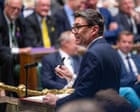
Burnham's First Commons Speech Targets Decades of Political Missteps
Andy Burnham has made a bold declaration during his first appearance before Parliament as Prime Minister, placing responsibility for Britain's economic stagnation squarely on two defining political moments: the Brexit referendum and the legacy of Margaret Thatcher's governance. Speaking approximately six weeks into his tenure as head of government, Burnham emphasized that the nation must confront the reality of poor policy decisions accumulated over four decades of British politics.
The Prime Minister's address to the Commons signaled a departure from previous administrations' approaches, with Burnham calling for national introspection and renewed optimism. His central message revolved around acknowledging past failures while charting a more prosperous course forward. "We can make this next decade better than the last," he told fellow MPs, setting an aspirational tone for his government's agenda.
Defence Spending Commitment and Strategic Appointments
Among the significant policy announcements made during Burnham's speech, defence expenditure emerged as a priority area. The Prime Minister hinted at a substantial commitment to allocate 3% of Britain's Gross Domestic Product toward military spending by 2030, signaling increased investment in national security capabilities. This commitment was reinforced through his strategic appointment of John Healey as Chancellor of the Exchequer, a selection Burnham indicated was deliberate, given Healey's established position and expertise regarding military expenditure matters.
The appointment of Healey suggests a government determined to balance economic priorities with defence modernization, reflecting broader concerns about global security challenges and Britain's military readiness in an evolving geopolitical landscape.
Water Industry Restructuring: Exploring Renationalization Options
In addressing infrastructure and public services, Burnham opened the possibility of reversing decades of privatization policy by potentially renationalizing the water industry. He described the sector as a "leaking monument" to the failures of private ownership, employing vivid language to underscore systemic problems within the industry. The Prime Minister indicated his administration would examine "all possible solutions" to address persistent challenges including aging infrastructure, environmental concerns, and service quality issues.
This position reflects growing public frustration with private water companies and represents a potential ideological shift toward greater state involvement in critical infrastructure management. The exploration of renationalization represents one of the most contentious policy directions signaled by the new government.
Electoral Reform: Potential Constitutional Change Ahead
The Prime Minister left space for potentially transformative constitutional changes by suggesting openness to revisiting electoral reform within Labour's next election manifesto. Burnham acknowledged the need for building consensus before implementing such changes, stating: "I do believe there needs to be a mandate to make that change. There are different views in this house, but I believe we will need to get a consensus at the next election. And if there is that consensus, then a change can be made in the next parliament."
This cautious approach to electoral reform indicates Burnham's awareness of the complexity surrounding constitutional matters while signaling that fundamental democratic changes remain under consideration. The possibility of moving away from the first-past-the-post electoral system would represent one of the most significant democratic reforms in modern British history.
Energy Strategy: Balancing Environmental Goals with Pragmatism
On environmental matters, Burnham confirmed his attendance at the Cop31 climate summit in Turkey and reiterated commitment to advancing green energy initiatives. However, he adopted a pragmatic tone regarding energy policy, suggesting the government would not impose ideological constraints on supply decisions. His remarks hinted at potential approval for the Jackdaw gasfield project, reflecting tensions between climate ambitions and practical energy requirements.
"The mistake is saying it's got to be one or the other for political purposes. The truth is, it's going to have to be both," Burnham explained, indicating a balanced approach that acknowledges both renewable energy transitions and transitional fossil fuel needs. This position attempts to reconcile environmental objectives with economic realities and energy security concerns facing the nation.
Context and Implications for British Politics
Burnham's Commons appearance marked a significant moment in contemporary British politics, representing his first major parliamentary opportunity to articulate government priorities and vision. His willingness to explicitly critique the Brexit decision and Thatcher's administrative legacy demonstrates a clear rhetorical strategy of attributing current economic challenges to predecessor governments and external political events.
The comprehensive policy signals—ranging from defence commitments to potential nationalization of utilities, coupled with cautious movement on electoral reform and pragmatic energy positioning—suggest a government attempting to balance progressive ideals with fiscal responsibility. Whether this administration can deliver on these ambitions while generating the "optimism" Burnham emphasized remains a central question for British politics moving forward.