
Panama Canal Restricts Daily Ship Passages Amid El Niño
The Panama Canal reduces vessel traffic due to El Niño-induced drought. Discover how low rainfall impacts global maritime operations and shipping schedules.
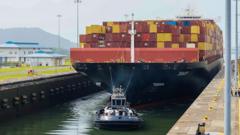
Panama Canal Ship Restrictions Take Effect Due to Severe Drought
The Panama Canal ship restrictions announced by authorities represent a significant operational adjustment driven by persistent environmental challenges. Canal administrators have determined that exceptionally low precipitation levels, directly attributable to El Niño atmospheric conditions, necessitate immediate measures to preserve critical water resources and maintain long-term operational viability.
The decision to limit Panama Canal ship movements reflects growing concerns about sustained water scarcity affecting one of the world's most vital maritime corridors. This strategic restriction aims to prevent further depletion of freshwater reserves essential for lock operations that facilitate the passage of thousands of vessels annually.
Understanding the Environmental Challenge
El Niño's Precipitation Impact
El Niño, the warm ocean temperature pattern that periodically influences global weather systems, has significantly diminished rainfall across Central America. The reduced water availability directly affects the Canal's operational capacity, as freshwater reserves are fundamental to the lock system's functionality. Operators must carefully manage water levels to ensure vessels can navigate through safely.
Freshwater Supply Pressures
The waterway depends entirely on adequate precipitation to maintain sufficient water levels in Gatun Lake, the artificial reservoir that supplies water for lock operations. When El Niño conditions suppress rainfall, water reserves decline rapidly, forcing administrators to implement conservation protocols that inevitably reduce the number of transits allowed daily.
Operational Changes and Vessel Limitations
Canal authorities have established new transit quotas that represent a substantial reduction from normal operational capacity. These Panama Canal ship limitations affect maritime shipping schedules globally, requiring vessel operators and logistics companies to adjust routing strategies and planning timelines.
The modified scheduling system prioritizes certain vessel classes while requiring others to wait for available transit slots. Larger container ships and specialized carriers may face extended queues, potentially affecting delivery schedules for goods destined to markets worldwide.
Global Maritime Supply Chain Implications
International Trade Impact
The Panama Canal ship restrictions carry significant consequences for international commerce. Approximately 5% of global maritime trade typically passes through the Canal, connecting Asian markets with North American and European destinations. Reduced transit capacity creates bottlenecks that ripple throughout supply chains.
Shipping Industry Adaptation
Vessel operators and maritime logistics providers must recalibrate operational strategies. Some shipping companies may reroute containers through alternative passages, such as South American routes around Cape Horn, which substantially increases transit times and fuel consumption. Others may delay shipments pending available Canal slots.
Duration and Future Outlook
Canal administrators indicate that restrictions will remain in effect throughout the duration of the El Niño episode and extended drought conditions. Historical precedent suggests such climate patterns may persist for several more months, creating prolonged challenges for maritime operations.
Water management experts emphasize that long-term solutions require investment in infrastructure improvements and alternative water sourcing strategies. These measures could include enhanced desalination facilities and additional freshwater reservoirs to reduce dependency on rainfall-dependent sources.
Economic and Geopolitical Considerations
The Panama Canal ship capacity reductions underscore broader climate vulnerability issues affecting critical global infrastructure. Insurance companies, trading organizations, and government agencies are monitoring developments closely, recognizing that maritime logistics form the backbone of international trade networks.
Regional authorities continue collaborating with international stakeholders to develop sustainable solutions that balance environmental conservation with economic shipping demands. These discussions highlight the pressing need for climate adaptation strategies affecting major commercial infrastructure worldwide.


