
Oil Tanker Threat in Middle East Reaches Peak Levels Since Iran Conflict
Oil tanker threats in the Middle East have escalated to unprecedented levels since the Iran conflict began. Shipping routes face growing risks from coordinated attacks on vessels.
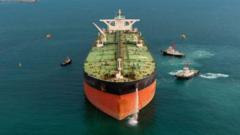
Oil Tanker Threat Escalates to Historic Levels
The oil tanker threat in the Middle East has reached its most critical point since the beginning of the Iran conflict, according to maritime security analysts who are closely monitoring regional developments. Shipping companies operating in these waters are confronting an increasingly perilous environment that demands immediate attention and strategic response.
Multiple intelligence sources and industry experts have confirmed that the current risk assessment for commercial vessels traversing Middle Eastern waters surpasses previous threat levels documented over the past decade. This dangerous situation represents a significant shift in maritime security challenges that impacts global energy markets and international trade.
Recent Attacks on Alternative Shipping Routes
A series of coordinated incidents targeting merchant vessels has forced shipping operators to reassess their routing decisions and security protocols. These attacks on alternative shipping corridors have created substantial complications for maritime navigation across the region. Tanker operators now face difficult choices regarding which passages to utilize, as traditional and alternative routes both present considerable risks.
The escalation demonstrates a pattern of deliberate targeting of commercial shipping, with multiple confirmed incidents occurring within compressed timeframes. Industry analysts emphasize that this coordinated approach indicates a sophisticated understanding of maritime operations and intentional disruption strategies.
Complex Navigation Challenges for Maritime Operations
Navigating the current oil tanker threat landscape requires extensive planning and risk assessment by shipping companies. The complexity of maritime routes in the Middle East has been substantially amplified by security concerns. Vessel operators must now evaluate numerous factors when planning transits, including real-time threat intelligence, historical incident data, and geopolitical developments.
The situation has prompted major shipping enterprises to implement enhanced security measures, including increased crew training, vessel tracking systems, and coordination with international maritime authorities. Many operators have redirected cargo to longer alternative routes despite increased fuel costs and extended transit times.
Impact on Global Energy Markets
Supply chain disruptions resulting from oil tanker threat concerns have immediate consequences for petroleum markets worldwide. Insurance premiums for vessels operating in affected areas have increased substantially, raising operational costs across the industry. The uncertainty surrounding maritime security in the region contributes to oil price volatility and energy market instability.
Major oil-producing nations and consuming countries have expressed concern about the implications for global energy security. The concentration of global petroleum shipping through Middle Eastern waterways means that maritime disruptions in this region have cascading effects on international fuel prices and availability.
Regional Geopolitical Context
The intensification of threats against shipping reflects broader tensions stemming from the Iran conflict and associated regional instability. Multiple actors operating in the region maintain capabilities to threaten commercial vessels, creating a multifaceted security challenge. The involvement of various state and non-state actors complicates efforts to establish stable maritime security protocols.
International naval forces have increased their presence in affected waters to provide escort services and protect commercial traffic. However, the scale of operations and geographic expanse of vulnerable shipping corridors strain resources available for maritime protection.
Industry Response and Risk Management
Shipping companies are implementing comprehensive security frameworks to address the oil tanker threat environment. These measures include real-time vessel monitoring, enhanced communication systems, and coordination with military escorts operating in the region. Investment in maritime security technology has accelerated significantly in response to current conditions.
Insurance underwriters have adjusted coverage terms and premiums to reflect the heightened risk profile associated with Middle Eastern maritime operations. This financial impact reinforces the serious nature of current security assessments by industry professionals and maritime authorities.
Future Outlook for Maritime Security
Analysts anticipate that maritime security challenges in the Middle East will persist unless political and regional tensions experience significant de-escalation. The oil tanker threat represents a structural problem requiring sustained international attention and coordinated security responses. Stakeholders across the shipping industry, energy sector, and government institutions continue developing strategies to enhance maritime safety and maintain critical supply chains.


