
Oil Prices Decline as Strait of Hormuz Reopening Talks Progress
Oil prices fall following positive negotiations to reopen the Strait of Hormuz. US officials announce progress on resuming critical shipping routes through the strategic waterway.
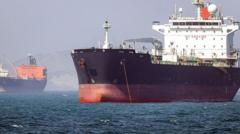
Oil Prices Decline Amid Strait of Hormuz Reopening Negotiations
Global oil markets experienced significant downward pressure as renewed diplomatic efforts signal a potential resolution to disruptions affecting one of the world's most critical energy corridors. Oil prices decline following announcements from top US officials confirming substantial progress in negotiations aimed at restoring maritime traffic through the Strait of Hormuz, a vital passage that handles approximately one-third of global seaborne oil shipments.
High-Level Diplomatic Breakthrough
US Secretary of State Marco Rubio and Treasury Secretary Scott Bessent both publicly confirmed that ongoing talks have reached an advanced stage, with indications that commercial shipments could resume through the strategic waterway. The simultaneous statements from these senior officials underscore the significance of the developing situation and the coordinated efforts being deployed to address the geopolitical complexities surrounding the region.
Impact on Global Energy Markets
The prospect of reopening shipping lanes has immediately influenced crude oil valuations, with traders adjusting positions based on expectations of increased petroleum supply availability. Market analysts attribute the recent price movements to growing confidence that a resolution is within reach, though final agreements have yet to be formalized. The announcement reflects months of behind-the-scenes diplomatic engagement between international stakeholders seeking to stabilize energy supplies.
Strategic Importance of the Waterway
The Strait of Hormuz represents one of the most economically significant maritime passages globally, connecting the Persian Gulf to the Arabian Sea and Indian Ocean. Disruptions or threats to navigation through this route have historically triggered substantial volatility in oil markets, given the volume of petroleum products that traverse these waters daily. A successful reopening would substantially mitigate supply chain concerns that have plagued energy markets in recent months.
Economic Implications for Global Trade
Beyond petroleum markets, the restoration of normal passage through the Strait of Hormuz carries implications for broader international commerce. Shipping companies have faced elevated insurance costs and extended transit times due to the necessity of circumnavigating the standard route. Reopening would reduce transportation expenses, potentially lowering energy costs for consumers worldwide and supporting economic recovery in multiple sectors dependent on stable energy pricing.
Market Response and Future Outlook
Financial markets have reacted positively to the diplomatic developments, with energy stocks showing mixed signals as investors assess both the immediate benefits of potential supply relief and longer-term implications of normalized geopolitical relations. Oil prices decline further as confidence grows that the agreement framework will translate into concrete action within the coming weeks.
Industry Expectations
Energy sector analysts anticipate that successful negotiations could lead to gradual stabilization of crude prices at levels reflecting genuine supply-demand fundamentals rather than geopolitical risk premiums. Several major oil producers and consuming nations have indicated their readiness to support arrangements that facilitate uninterrupted maritime commerce through the critical passage.
Ongoing Negotiations and Timeline
While the announcements from Secretary Rubio and Secretary Bessent represent significant progress, officials have refrained from specifying exact timelines for implementation. The complexity of coordinating multiple stakeholders—including regional governments, international maritime authorities, and commercial shipping interests—suggests that finalizing comprehensive agreements will require continued negotiation efforts.
The diplomatic momentum demonstrated by these high-level statements provides optimism that a resolution framework may be established in the near term, though final operational details remain subject to ongoing discussions. Market participants are monitoring developments closely, with further announcements expected to shape crude oil valuations in coming trading sessions as the situation evolves.


