Nobby Stiles: Coroner Links Death to Football
Coroner rules England World Cup winner Nobby Stiles' death caused by brain condition from heading footballs repeatedly during career.
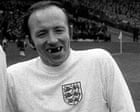
England Legend's Death Linked to Repeated Football Headers
A coroner has officially determined that Nobby Stiles, the legendary England midfielder and World Cup winner, died as a result of a brain condition caused by the repetitive impact of heading footballs throughout his professional career. The 2020 death of the footballer went unreported to the coroner's office by local authorities until recently, prompting a formal investigation that ultimately revealed the connection between Stiles' neurological decline and his playing career.
Stiles earned recognition as one of England's most influential midfielders, playing a pivotal role in the nation's 1966 FIFA World Cup triumph. His aggressive, no-nonsense style of play made him a crucial component of that historic victory. Fellow World Cup winner Geoff Hurst famously described Stiles as the "heart and soul" of the championship-winning squad, acknowledging his instrumental contributions both on and off the pitch.
The Delayed Investigation Process
The official coroner inquiry was initiated significantly later than Stiles' passing, as the relevant authorities neglected to report his death through proper channels to the coroner's office. This administrative oversight resulted in a substantial delay before medical professionals could formally examine the circumstances surrounding his death. When the investigation eventually commenced, pathologists focused on determining whether his neurological condition was connected to occupational exposure during his decades-long football career.
The brain condition identified in the coroner's findings represents the type of cumulative trauma that medical research has increasingly linked to professional athletes who engage in repetitive heading activities. The ruling adds Stiles to a growing body of evidence suggesting that such neurological deterioration occurs among football players who spent significant portions of their careers heading the ball.
Understanding Brain Damage in Professional Football
Medical professionals have documented cases where repeated head impacts, even when not causing immediate concussive symptoms, can lead to chronic neurological conditions. The coroner's decision to explicitly link Nobby Stiles' death to this mechanism represents an important acknowledgment of occupational health risks within professional football.
Research institutions have increasingly focused on understanding how accumulated subconcussive impacts affect brain tissue over extended periods. While individual heading incidents may seem minor, the cumulative effect of thousands of headers over decades can trigger degenerative processes within the brain structure. Stiles' career spanned multiple decades during an era when protective equipment and medical protocols were considerably less advanced than contemporary standards.
Legacy and Implications for Football Safety
Nobby Stiles' career achievements remain undisputed, but the coroner's ruling raises important questions about long-term health consequences for professional athletes. His status as a World Cup winner and respected midfielder adds significant weight to discussions about player welfare and safety protocols within the sport.
The case highlights the distinction between acute injuries and chronic conditions that develop gradually throughout a career. While Stiles never suffered a career-ending concussion or documented severe head trauma, the accumulated stress on his nervous system from ordinary play activities ultimately contributed to his death decades later.
Broader Questions for Professional Sport
The coroner's investigation into Nobby Stiles demonstrates why comprehensive health monitoring throughout athletes' careers and into retirement remains essential. The initial failure to report his death through official channels underscores broader gaps in tracking long-term health outcomes for former players.
As medical science continues documenting connections between football and neurological conditions, governing bodies face pressure to implement more stringent protective measures. The Stiles case contributes to an expanding conversation about what professional sports organizations owe retired players regarding health support and preventative care.
The 1966 World Cup winner's death serves as a sobering reminder of the potential long-term consequences of professional football careers, even for individuals who achieved remarkable success and made immeasurable contributions to the sport's history.