
New BBC Director Questions Future of Traditional Television Licence Fee Model
BBC's new director general Matt Brittin suggests the television licence fee is outdated, sparking debate about the corporation's financial sustainability and future direction.
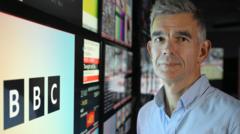
BBC Director General Challenges Traditional Funding Structure
The BBC television licence fee faces significant scrutiny as the corporation's newly appointed director general presents fresh perspectives on its viability. Six weeks into his tenure, Matt Brittin has begun articulating a vision for the BBC that questions whether the current financial model remains appropriate for contemporary media consumption patterns.
Brittin's assessment that the BBC television licence fee represents an outdated funding mechanism reflects broader concerns within the broadcasting industry about how public media organizations should sustain operations in the digital age. His candid remarks underscore the urgency of addressing structural challenges that have long troubled both administrators and audiences.
Examining the Current BBC Licence Fee System
The television licence fee has traditionally served as the primary revenue source for the BBC since its inception. This mandatory payment system, where UK households pay an annual fee to access BBC services, has funded programming, journalism, and technological infrastructure for decades. However, the evolving media landscape has prompted questions about whether this model remains equitable and sustainable.
Streaming platforms, digital-only content consumption, and changing viewer demographics have fundamentally altered how audiences engage with television and radio. Young people increasingly access entertainment through subscription services rather than traditional broadcasts, raising valid questions about the relevance of a universal licence fee system that applies regardless of actual BBC consumption.
Brittin's Vision for the BBC's Future Direction
Matt Brittin's perspective on the BBC television licence fee suggests a comprehensive reevaluation of how the corporation generates revenue and allocates resources. His background in technology and digital innovation positions him to assess whether traditional funding mechanisms can coexist with modern viewer expectations and digital-first strategies.
The director general's early commentary indicates he is considering alternative approaches to ensure the BBC remains financially stable while adapting to contemporary broadcasting realities. This could involve hybrid funding models, enhanced commercial ventures, or restructured licence fee arrangements that better reflect current viewing habits.
Implications for BBC Services and Audiences
Any fundamental changes to the BBC television licence fee system would have far-reaching consequences for the corporation's programming ambitions, staffing levels, and technological capabilities. The BBC's commitment to providing news, educational content, children's programming, and entertainment depends substantially on licence fee revenue stability.
If the BBC television licence fee undergoes reform, there could be impacts across multiple services, including BBC One, BBC Two, BBC Three, BBC iPlayer, and BBC Sounds. Audiences would need clarity about how service quality and content diversity might be affected during any transition period.
Industry Perspectives on Public Broadcasting Funding
The debate surrounding the BBC television licence fee extends beyond internal corporation discussions. Broadcasters, media analysts, and policy experts have increasingly advocated for honest conversations about sustainable funding models for public service media. Some argue that the BBC television licence fee requires modernization to reflect contemporary viewing patterns, while others defend its universal application as essential for ensuring equitable access.
International comparisons reveal various approaches to funding public broadcasting. Some countries employ general taxation models, others utilize advertising combined with public funding, and several maintain hybrid systems. These examples provide reference points for considering how the BBC television licence fee might evolve.
Next Steps for BBC Leadership and Stakeholders
Matt Brittin's statements about the BBC television licence fee signal that substantive discussions about the corporation's financial future are likely imminent. Government discussions, audience consultations, and strategic planning will probably intensify as the BBC works toward establishing a sustainable long-term vision.
The corporation's stakeholders—including government officials, media professionals, and the viewing public—await more detailed proposals regarding potential BBC television licence fee reforms and alternative funding mechanisms. Brittin's leadership tenure will largely be defined by how effectively he navigates these complex financial and organizational challenges while maintaining public trust in the BBC's mission.


