
Netflix's Wonka Series Sparks Controversy Over AI-Generated Gene Wilder Voice
Netflix faces backlash over its Wonka show featuring an AI-generated Gene Wilder voice. The estate approved the use of the late actor's synthetic voice in the series.
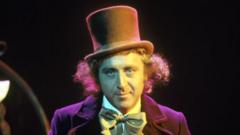
Netflix's Wonka Series Faces Significant Backlash Over AI-Generated Gene Wilder Voice
The highly anticipated Netflix Wonka series has become the center of a major controversy involving an AI-generated Gene Wilder voice used throughout the production. The decision to incorporate an AI-generated Gene Wilder voice has sparked considerable debate among fans, critics, and industry professionals, raising important questions about the future of technology in entertainment and the ethics surrounding the use of deceased performers' likenesses and voices.
The Use of Synthetic Voice Technology in the Series
The Netflix show features an artificial recreation of Gene Wilder's distinctive vocal performance, marking a significant milestone in the application of artificial intelligence to mainstream entertainment. This synthetic voice technology was implemented with the explicit approval and consent of Gene Wilder's estate, a crucial detail that has nonetheless failed to silence the controversy surrounding the project.
Gene Wilder, the iconic actor famous for his unforgettable portrayal of Willy Wonka in the 1971 film adaptation of Roald Dahl's classic novel, passed away on August 29, 2016, at the age of 83. Despite his death, his creative legacy continues to be utilized in new productions, thanks to advancements in artificial intelligence and voice synthesis technology that can convincingly replicate human speech patterns and vocal characteristics.
Estate Approval and Legal Considerations
The estate of Gene Wilder granted permission for the use of the AI-generated voice, representing a formal endorsement of this technological approach to bringing the character back to life on screen. This consent represents an important legal framework that allows the production to proceed, yet it has not entirely assuaged concerns from those who question the appropriateness of using artificial intelligence to recreate a performer's voice without their direct involvement.
The approval process involved negotiations between Netflix, the production team, and representatives of Gene Wilder's family and estate. This collaboration highlights the complex intersection of intellectual property rights, estate management, and technological innovation in the entertainment industry. The decision ultimately reflects evolving attitudes toward how deceased performers' contributions can be preserved and utilized in future creative projects.
Backlash and Public Reaction
Despite the estate's consent, the revelation of the AI-generated Gene Wilder voice has generated substantial pushback from various quarters. Many devoted admirers of the original actor have expressed discomfort with the concept, arguing that no artificial intelligence can truly capture the nuance, warmth, and soul that Wilder brought to his iconic performances.
Critics contend that while the technology may be capable of mimicking vocal patterns with impressive accuracy, it lacks the emotional depth and improvisational quality that characterized Gene Wilder's distinctive approach to acting and voice work. This philosophical debate touches on broader questions about authenticity in entertainment and whether technology should serve as a replacement for human performers, even after their passing.
The Broader Implications for Entertainment Industry
The Wonka series controversy serves as a significant case study for how the entertainment industry will navigate the use of synthetic voice technology and AI-generated performances in future productions. As artificial intelligence continues to advance at a rapid pace, production companies face mounting decisions about whether to employ these technologies to resurrect deceased actors or create entirely new performances.
This precedent established by the Netflix project will likely influence how other studios approach similar opportunities. The conversation surrounding the AI-generated Gene Wilder voice extends beyond this single production, encompassing larger discussions about the role of technology in preserving artistic legacies and the potential risks of over-relying on synthetic recreations rather than celebrating performers' original work.
Moving Forward
The Netflix Wonka series, despite the controversy surrounding its use of an AI-generated Gene Wilder voice, represents an important moment in entertainment history. As technology continues to evolve, audiences, filmmakers, and estates of deceased performers will need to establish clearer guidelines and ethical frameworks for how synthetic voices and artificial intelligence can be responsibly integrated into creative projects.
The backlash serves as a valuable reminder that technological capability does not automatically translate into widespread acceptance or approval from audiences. The entertainment industry must carefully balance innovation with respect for legacy artists and the expectations of devoted fans who hold cherished memories of original performances.


