
Netanyahu Rejects Trump's Gaza Plan Amid Election Campaign Rhetoric
Netanyahu rejects Trump's 15-point Gaza plan, but analysts believe the Israeli PM's position may shift post-election. Trump administration dismisses response as political strategy.
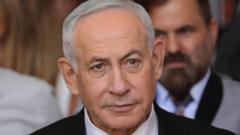
Netanyahu Rejects Trump's Gaza Peace Framework
Israeli Prime Minister Benjamin Netanyahu has rejected the Trump administration's comprehensive 15-point Gaza plan, marking a significant development in ongoing Middle East peace negotiations. However, officials within the Trump administration maintain confidence that Netanyahu's rejection may not represent his final stance on the matter, particularly as Israel approaches a critical general election period.
Understanding the Trump-Netanyahu Dynamic
The rejection of Trump's Gaza plan comes at a particularly sensitive time in Israeli politics. Netanyahu faces mounting political pressures ahead of scheduled elections, and his public response to international peace proposals carries substantial weight among his electoral base. Sources close to the Trump administration suggest they view the Israeli premier's dismissal as calculated campaign rhetoric rather than a definitive rejection of negotiations.
Trump Administration's Strategic Assessment
According to informed observers, the Trump administration has adopted a notably composed posture regarding Netanyahu's rejection. Rather than interpreting the response as a fundamental impasse, officials characterize it as a predictable political maneuver. The administration's confidence appears rooted in historical patterns of Israeli negotiating positions that shift once immediate electoral considerations subside.
Campaign Considerations and Political Calculations
Netanyahu's current position must be understood within the context of Israeli domestic politics. A general election looms on the horizon, and accepting international peace proposals could be perceived as weakness by right-wing elements of his political coalition. This electoral backdrop likely influences his public messaging strategy regarding the Trump administration's Gaza initiative.
The 15-Point Plan Explained
While detailed specifics of the Trump proposal remain partially confidential, the framework reportedly encompasses multiple dimensions of Gaza governance, security arrangements, humanitarian considerations, and pathways toward eventual peace. The comprehensive nature of the proposal suggests an attempt to address the complex variables that have historically complicated Gaza negotiations.
International Response to the Plan
The Trump administration's Gaza proposal represents a significant diplomatic initiative aimed at advancing regional stability. Various international stakeholders have responded with mixed reactions, reflecting the contentious nature of any Gaza-related policy proposal. Netanyahu's rejection adds another layer of complexity to an already multifaceted diplomatic situation.
Post-Election Shifts in Position
Political observers note that Israeli prime ministers have historically adjusted their negotiating positions once electoral campaigns conclude. Netanyahu's current rejection may function primarily as electoral positioning rather than fundamental opposition to the Trump administration's Gaza plan framework. The timing of this development—occurring ahead of general elections—supports this analytical perspective.
Historical Precedents in Israeli Diplomacy
Previous Israeli governments have demonstrated flexibility in their positions regarding international peace initiatives once immediate political pressures diminish. This historical pattern informs current assessments that Netanyahu's rejection may not persist indefinitely, particularly if the Trump administration maintains steady diplomatic engagement.
Implications for Regional Stability
The Trump administration's pursuit of a Gaza peace framework reflects broader strategic interests in Middle East stability. Netanyahu's rejection, while headline-generating, may ultimately function as a temporary obstacle rather than a permanent derailment of diplomatic efforts. The administration's apparent confidence suggests calculated patience regarding the evolving situation.
Future Diplomatic Trajectories
As Israeli elections approach and ultimately conclude, diplomatic dynamics may shift significantly. The Trump administration appears positioned to reengage with Netanyahu once electoral considerations become less pressing. This patient diplomatic approach acknowledges the complexities of Israeli domestic politics while maintaining focus on long-term regional peace objectives.
Conclusion
Netanyahu's rejection of Trump's Gaza plan reflects immediate electoral imperatives rather than conclusive opposition. The Trump administration's measured response suggests confidence that evolving circumstances may alter Netanyahu's position. This situation exemplifies the intersection of domestic politics and international diplomacy in Middle East negotiations. As events unfold following Israeli elections, the trajectory of the Trump administration's Gaza initiative may undergo substantial revision based on Netanyahu's post-election political positioning and strategic calculations.


