
Navy Opts for Advanced Drone-Equipped Vessels Over Traditional Destroyer Replacements
The Navy pivots toward drone-equipped warships as part of its modernization strategy, abandoning traditional destroyer replacement programs in its upcoming defence investment plan.
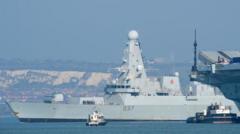
Navy Shifts Strategy Toward Drone-Equipped Warships
In a significant departure from conventional naval planning, the government has announced its commitment to developing and deploying drone-equipped warships as a cornerstone of its modernization initiative. Rather than pursuing the traditional path of replacing aging destroyers with new conventional vessels, military leadership has determined that drone-equipped warships represent the future of naval capability and operational effectiveness.
Strategic Rationale Behind the Decision
The shift toward drone-equipped warships reflects broader changes in global maritime security and technological advancement. Defence analysts suggest that unmanned systems offer greater flexibility, reduced crew requirements, and enhanced operational capabilities compared to legacy destroyer platforms. By investing in these advanced systems, the Navy positions itself to address evolving threats while maintaining cost efficiency across the defence budget.
The decision to prioritize drone-equipped warships over traditional destroyer replacements acknowledges that modern naval warfare increasingly depends on technological superiority rather than vessel size alone. Unmanned platforms can conduct surveillance, reconnaissance, and engagement operations with minimal risk to personnel, making them invaluable assets for contemporary security challenges.
Investment Framework and Timeline
The upcoming defence investment plan allocates substantial resources toward developing and integrating drone-equipped warship technology into the active fleet. This comprehensive approach includes research and development funding, procurement initiatives, and personnel training programs to ensure seamless operational integration. The government's commitment signals a long-term vision for naval transformation rather than incremental upgrades to existing systems.
Defence officials have indicated that the investment timeline spans multiple fiscal years, allowing for gradual implementation while maintaining current operational readiness. This phased approach provides flexibility to incorporate technological advances and respond to emerging security requirements without disrupting existing naval operations.
Operational Advantages of Unmanned Naval Platforms
Drone-equipped warships offer numerous operational advantages that justify the strategic reorientation. These vessels can operate in challenging environments, including contested waters and areas with elevated electromagnetic interference. The reduced crew requirements translate directly into lower operational costs and simplified logistics, factors that multiply when maintaining larger fleets across diverse geographic regions.
Furthermore, drone-equipped warships can perform extended patrol missions, maintain constant surveillance capabilities, and respond rapidly to emerging situations. Their integration with command and control networks enables real-time information sharing, enhancing situational awareness across the entire naval formation and supporting coordinated multi-vessel operations.
Impact on Traditional Naval Architecture
The decision to pursue drone-equipped warships fundamentally reshapes naval procurement priorities and shipbuilding strategies. Rather than investing heavily in new destroyer construction programs, resources now focus on developing autonomous vessel platforms, integrated sensor systems, and advanced communication architectures. This transition requires naval architects and engineers to rethink traditional design philosophy and embrace emerging technological paradigms.
Defence contractors anticipate increased demand for specialized drone technologies, maritime robotics, and autonomous systems integration. The pivot toward drone-equipped warships creates opportunities for innovation while challenging established shipbuilding practices that have dominated naval development for decades.
Long-Term Strategic Implications
The government's commitment to drone-equipped warships indicates confidence in unmanned maritime technology as a sustainable, long-term solution for naval defence. This strategic choice positions the Navy to maintain technological advantage while managing fiscal constraints and adapting to future security environments. As other nations develop similar capabilities, the early adoption of drone-equipped warship technology provides strategic benefit and operational credibility.
The transition to drone-equipped warships represents more than a procurement decision; it fundamentally reimagines naval strategy, force structure, and operational doctrine. By embracing this transformation now, military leadership demonstrates foresight in addressing tomorrow's maritime security challenges while optimizing resource allocation for maximum strategic impact.


