MPs Warn Against 'Extraordinary Risk' in Assisted Dying Bill Debate
Labour MPs urge caution on assisted dying bill, warning against forcing legislation through Parliament using obscure procedures if Lords continue blocking.
Cross-Party Concerns Over Assisted Dying Bill Strategy
Members of Parliament from opposing sides of the assisted dying bill controversy have issued a joint plea to their colleagues, cautioning against employing an unusual parliamentary mechanism to circumvent continued resistance from the House of Lords. The assisted dying bill has become one of the most contentious legislative matters in recent parliamentary history, with lawmakers grappling with complex ethical, medical, and legal considerations surrounding end-of-life decisions.
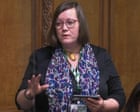
Gareth Snell and Meg Hillier, representing the Labour Party, have co-authored a significant correspondence to their fellow MPs, urging restraint and deliberation before the upcoming parliamentary vote scheduled for Friday. Despite their divergent positions on the substantive issue—Snell voted in support of the legislation while Hillier opposed it—both have united in their concern about the procedural approach being contemplated.
The Parliamentary Procedure at the Center of Debate
The 'extraordinary risk' referenced in their warning pertains to the potential invocation of an archaic parliamentary procedure that could theoretically allow the Commons to override sustained objections from the upper chamber. This legislative mechanism has rarely been utilized in contemporary British parliamentary practice and remains highly controversial among MPs across party lines.
The assisted dying bill represents an attempt to establish legal frameworks for physician-assisted death under strictly defined circumstances. The proposed legislation would permit individuals facing terminal diagnoses or unbearable suffering to access medical assistance in ending their lives, subject to rigorous safeguards and multiple verification steps.
Why Lords Scrutiny Matters
Hillier and Snell emphasize that the House of Lords serves a constitutionally vital function in reviewing complex and ethically significant legislation. The assisted dying bill, given its profound implications for public health policy, medical ethics, and individual rights, warrants thorough examination by experienced legislators who can bring considerable expertise to bear on its technical provisions and societal consequences.
The upper chamber's traditional role as a chamber of reflection allows for comprehensive debate on matters that affect fundamental aspects of citizens' lives. Proponents of allowing the Lords adequate time to complete their scrutiny argue that rushing through the assisted dying bill without permitting full parliamentary deliberation would set a dangerous precedent for bypassing essential constitutional procedures.
Implications for Future Legislation
The cautionary message from Snell and Hillier carries particular weight because it demonstrates that concerns about parliamentary procedure transcend the specific policy disagreements on the assisted dying bill itself. Political observers note that establishing practices regarding the deployment of obscure parliamentary mechanisms could have far-reaching consequences for how Parliament operates on contentious matters in the coming years.
Supporters of using procedural levers to advance the assisted dying bill argue that extended delays amount to a de facto rejection of the legislation. They contend that the democratic will expressed through Commons votes should ultimately prevail when the legislative chamber represents the direct voice of the electorate. Conversely, those advocating for patience maintain that the constitutional role of the Lords justifies allowing additional time for deliberation on matters of such significance.
The Broader Context
The assisted dying bill represents a watershed moment for British legislation on end-of-life choices. Public opinion polls have consistently demonstrated substantial public support for some form of legal framework permitting medical assistance in dying, particularly for patients confronting terminal illnesses accompanied by severe suffering. However, medical professionals, religious organizations, and disability rights advocates have expressed diverse perspectives on whether proposed safeguards adequately protect vulnerable populations.
The Friday vote will determine whether MPs maintain confidence in the current parliamentary trajectory or whether alternative strategies for advancing or blocking the assisted dying bill will gain traction. The intervention by Snell and Hillier suggests that many lawmakers harbor genuine reservations about employing extraordinary parliamentary procedures, regardless of their ultimate position on the substantive merits of the legislation.