Michigan Finds Parasite Outbreak Source in Salad Greens
Michigan health officials identify lettuce and salad greens as the potential source of cyclosporiasis outbreak. Investigation ongoing as cases continue to rise.
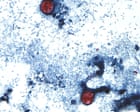
Michigan Identifies Potential Source of Cyclosporiasis Outbreak
The cyclosporiasis outbreak affecting Michigan residents has led state health officials to pinpoint a critical culprit: fresh lettuce and salad greens. The Michigan Department of Health and Human Services announced on Monday that preliminary investigation results strongly suggest these produce items served as the vector for the widespread parasitic infection.
Details of the Investigation
While the official inquiry into the cyclosporiasis outbreak remains active, early findings have narrowed the scope of contamination. State officials reported that lettuce and salad greens represent the most probable source, though investigators emphasized the investigation is far from complete. Health authorities have not entirely ruled out additional food sources that may have contributed to transmission.
Understanding Cyclosporiasis Symptoms
Cyclosporiasis is a parasitic infection that manifests through several uncomfortable gastrointestinal symptoms. Individuals infected with the parasite commonly experience watery diarrhea, which can be particularly severe. Beyond digestive distress, victims often report significant appetite loss and unintended weight loss, creating additional health complications during recovery.
The parasitic nature of this illness distinguishes it from bacterial or viral outbreaks, requiring specific medical attention and treatment protocols. Healthcare providers have been alerted to watch for characteristic symptoms in patients presenting with prolonged diarrheal illness.
Public Health Response
Michigan's health department has been coordinating closely with food safety agencies to trace the supply chain of potentially contaminated produce. The focus on salad greens and lettuce products reflects patterns observed in previous cyclosporiasis outbreaks, where fresh produce has frequently been implicated.
Consumers throughout Michigan have been advised to exercise caution with fresh lettuce and salad greens during the ongoing investigation. Officials continue gathering epidemiological data from affected individuals to establish more definitive links between specific products and illnesses.
Ongoing Investigation Efforts
The cyclosporiasis outbreak investigation represents a comprehensive public health effort involving multiple agencies and data collection methodologies. Epidemiologists are interviewing patients about recent food consumption patterns, dietary habits, and potential exposure sources. This detailed investigative work aims to identify not just the general category of contaminated food, but specific producers, distributors, and product batches.
Health officials cautioned that early investigation results, while pointing toward lettuce and salad greens, remain preliminary. Additional evidence gathering and laboratory confirmation processes are underway. The statement from Michigan authorities emphasized that alternative food sources have not been ruled out entirely, and comprehensive testing continues.
What Consumers Should Know
Residents are encouraged to remain vigilant about produce safety during this investigation. While not all lettuce and salad greens are necessarily contaminated, heightened awareness and careful food preparation are recommended. The specific source farms and distribution networks have not yet been publicly identified, making general precaution advisable.
Anyone experiencing symptoms consistent with cyclosporiasis—including persistent watery diarrhea, appetite loss, and unexplained weight loss—should seek medical evaluation promptly. Healthcare providers can conduct appropriate diagnostic testing and provide targeted treatment for this parasitic infection.