Manchester Mayor Race Tests National Sentiment Amid Reform UK Challenge
The battle to succeed Andy Burnham as Greater Manchester mayor becomes a pivotal test of the nation's political mood and the government's strength against Reform UK.
Historic Byelection Sets Stage for Manchester Mayor Contest
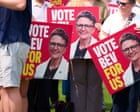
The Manchester mayor election emerges as a critical indicator of national political sentiment, potentially revealing more about voters' priorities than the unprecedented parliamentary byelection in Makerfield. Andy Burnham's ascent to Prime Minister-in-waiting status has left a significant vacancy in Greater Manchester's top administrative position, triggering what experts describe as a hugely significant race that could reshape understanding of the current political landscape.
This Manchester mayor election represents far more than a routine local succession. It serves as a barometer for measuring public confidence in the government's direction and its capacity to address concerns that have fueled support for alternative political movements across the country.
The Significance of Andy Burnham's Political Ascendancy
Andy Burnham's departure from the Greater Manchester mayor office to assume a position as Prime Minister-in-waiting marks a watershed moment in British politics. His trajectory demonstrates the increasing importance of regional leadership in national political calculations. The Manchester mayor role, which Burnham previously held with considerable influence, has become a launching pad for national prominence.
The circumstances surrounding his transition reflect evolving dynamics within the political establishment, where mayors of major metropolitan areas wield substantial influence over policy direction and public perception. The Greater Manchester mayor position, specifically, has garnered considerable attention due to the region's economic significance and diverse electorate.
Understanding the Reform UK Challenge
The emergence of Reform UK as a significant political force has complicated traditional political calculations across the country. The party's appeal in various constituencies suggests dissatisfaction with established political options and represents a challenge to mainstream political parties' traditional voter bases.
For the Manchester mayor election, this context proves particularly relevant. Candidates seeking to succeed Burnham must demonstrate not only administrative competence but also the ability to address voter concerns that have driven support toward insurgent political movements. The race will inevitably reflect broader anxieties about economic management, public services, and representation.
What the Election Reveals About National Mood
Political analysts suggest the Manchester mayor election could provide more accurate readings of national sentiment than standard parliamentary contests. Local elections in major urban centers often reflect voter attitudes toward government performance more directly than national polling instruments.
The campaign will likely illuminate voter priorities across several dimensions: economic recovery prospects, confidence in established institutions, satisfaction with current governance, and receptiveness to alternative political voices. Greater Manchester's diverse population—encompassing urban professionals, working-class communities, and suburban residents—offers a representative cross-section of British voters.
The Broader Political Context
This election unfolds within a complex political environment. The government faces questions about its ability to implement promised policies while managing existing challenges. Meanwhile, Reform UK's continued strength suggests lasting shifts in voter preferences that traditional parties cannot ignore.
The Manchester mayor race will test whether these underlying political movements represent durable realignments or temporary fluctuations in voter sentiment. A well-coordinated opposition campaign in Greater Manchester could signal confidence in the government's direction. Conversely, strong Reform UK performance would reinforce concerns about voter satisfaction with mainstream political alternatives.
Implications for Democratic Participation
The Manchester mayor election also carries significance for understanding patterns of democratic engagement. Voter turnout, demographic participation, and campaign intensity in this race could illuminate broader questions about civic involvement during periods of political uncertainty.
Political observers will closely monitor which demographic groups prioritize voting in the Manchester mayor contest, which issues dominate campaign discourse, and how effectively candidates connect with voters on matters of genuine concern. These patterns frequently preview trends that emerge in subsequent national contests.
Looking Forward
The Manchester mayor election represents a critical moment for evaluating the government's political trajectory. As Andy Burnham's successor assumes leadership of Greater Manchester, the electorate will have made a clear statement about confidence in the direction of British politics. This election transcends local administrative concerns; it constitutes a referendum on the government's effectiveness and political future, with implications extending well beyond the region itself.