
Making Rented Properties Feel Like Home: 5 Expert Tips
Discover 5 professional tips to transform your rented flat or house into a cozy personal space while maintaining a great relationship with your landlord.
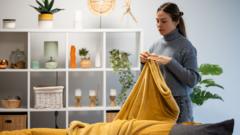
Transform Your Rental Into a Personal Haven
Creating an atmosphere where rented properties feel like home is one of the most important aspects of comfortable living. Whether you're in a short-term lease or planning a longer stay, the challenge of personalizing a space without damaging it or upsetting your landlord requires creativity and strategic planning. Expert interior designers and property management professionals have identified several practical approaches that allow tenants to make meaningful changes while preserving the property's condition and maintaining positive landlord relationships.
Strategic Decorating Without Permanent Damage
The foundation of making rented properties feel like home begins with understanding what modifications are allowed and which ones require prior approval. Using removable wallpaper, adhesive wall decals, and fabric panels offers an excellent alternative to permanent painting. These solutions come in countless styles and patterns, enabling you to establish a personalized aesthetic that reflects your individual taste. Temporary solutions such as fabric wall hangings, tapestries, and large canvas prints create visual interest without leaving lasting marks on walls. When selecting these items, opt for high-quality materials that won't leave residue or damage the underlying surface upon removal.
The Power of Temporary Wall Solutions
Peel-and-stick options have revolutionized how renters approach wall decoration. Modern removable wallpapers feature sophisticated designs ranging from minimalist patterns to bold statement looks. These products are specifically engineered to remove cleanly without adhesive buildup or paint damage. Textile-based wall coverings provide another dimensional approach, creating depth and warmth that standard paint cannot achieve. Before application, ensure walls are clean and dry for optimal adhesion and easier removal when your lease ends.
Lighting as a Transformation Tool
Strategic lighting fundamentally changes how rented properties feel like home by creating ambiance and highlighting architectural features. Installing removable peel-and-stick lighting fixtures, particularly LED strip lights along shelving or behind headboards, adds warmth without electrical modifications. Table lamps, floor lamps, and pendant lights offer flexibility since they require no installation and can be relocated to future residences. Smart bulbs that adjust color temperature throughout the day enhance mood and functionality while remaining completely removable. Expert designers emphasize that proper lighting is equally important as wall color in establishing a welcoming environment.
Soft Furnishings and Layered Textures
Rugs, cushions, curtains, and throws represent the cornerstone of making rented properties feel like home through non-permanent means. Quality area rugs define spaces, add warmth, and can completely transform bare floors aesthetically. Layered curtains in coordinating colors create visual interest while providing privacy and light control. Mixing different fabric textures—from linen to velvet to cotton—adds depth and tactile appeal to any room. These elements are entirely portable, making them excellent investments for renters who move frequently. Additionally, changing these items seasonally maintains a fresh, personalized environment without any permanent commitment.
Creating Visual Cohesion
Selecting complementary colors and patterns across soft furnishings unifies your rental space and creates a polished, intentional appearance. Neutral base colors provide flexibility for seasonal updates and future changes, while accent pieces inject personality. Layering different textile weights and finishes creates visual interest that prevents spaces from feeling bland or impersonal.
Furniture Arrangement and Space Planning
How you arrange existing furniture significantly impacts whether rented properties feel like home. Rather than accepting the landlord's original layout, thoughtfully repositioning pieces to create defined zones encourages a sense of ownership and comfort. Creating distinct areas for relaxation, work, dining, and socializing establishes functionality and purpose within open spaces. Consider traffic flow, natural light sources, and architectural features when planning arrangements. Moving furniture occasionally refreshes the environment and can reveal new possibilities for spatial organization.
Personalization Through Accessories and Decor
Adding personal touches through photographs, artwork, plants, and decorative objects makes rented properties feel like home without requiring landlord approval or permanent modifications. Gallery walls featuring removable adhesive strips or damage-free hooks display meaningful photographs and prints. Indoor plants introduce life, improve air quality, and create psychological comfort in rental environments. Carefully selected decorative objects—books, sculptures, vases, and collectors' items—reflect your personality and interests while remaining completely portable.
The Impact of Greenery
Plants are particularly effective in transforming rental spaces. They improve aesthetics, enhance air quality, and provide psychological benefits associated with natural elements. Low-maintenance varieties like pothos, snake plants, and philodendrons thrive in various lighting conditions and require minimal care, making them ideal for busy renters.
Communication With Your Landlord
Establishing clear communication about modifications ensures that personalizing rented properties feel like home doesn't jeopardize your security deposit or create conflicts. Requesting written approval for significant changes demonstrates professionalism and prevents misunderstandings. Most landlords appreciate tenants who maintain and improve properties responsibly, particularly when modifications are reversible and don't affect structural elements. Document the property's original condition with photographs before making any changes, creating a reference point for restoration when your lease concludes.
Conclusion
Making rented properties feel like home requires balancing personal expression with landlord responsibilities. Through strategic use of removable solutions, thoughtful furniture arrangement, and careful accessorizing, tenants can create welcoming, personalized spaces that feel authentically theirs. These approaches—from temporary wall treatments to lighting upgrades to textural layering—empower renters to establish comfort and belonging without compromising their financial security or creating landlord disputes. By implementing these expert-recommended strategies, any rental space transforms into a true home reflecting individual style and values.


