
King Charles Addresses Caribbean Tour: Confronting Slavery's Darkest Chapter
King Charles acknowledges UK's slavery role during Caribbean tour. Discover how the monarchy confronts historical injustices and colonial legacy.
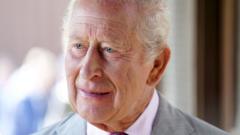
King Charles Embarks on Caribbean Tour with Slavery Acknowledgment
King Charles has committed to directly addressing the United Kingdom's involvement in the transatlantic slave trade during his forthcoming Caribbean tour. The King's approach to this sensitive historical matter marks a significant shift in how the British monarchy engages with its colonial past, moving beyond traditional diplomatic protocols to acknowledge what many describe as among humanity's darkest chapters.
The forthcoming Caribbean visit represents an opportunity for King Charles slavery acknowledgment to take center stage in conversations about reparations, historical justice, and the Crown's responsibility in addressing centuries of exploitation and human suffering across the Caribbean region.
The King's Historical Recognition of Slavery
Throughout his years as Prince and now as monarch, King Charles has demonstrated a consistent commitment to acknowledging Britain's shameful role in slavery. He has publicly expressed his "personal sorrow" regarding the United Kingdom's participation in the transatlantic slave trade, signaling a willingness to move beyond mere ceremonial visits toward substantive dialogue about historical wrongs.
This personal stance distinguishes King Charles from previous generations of the monarchy, who often maintained formal distance from discussions about colonial atrocities. His willingness to confront these uncomfortable truths reflects evolving attitudes within the institution itself and recognition that Caribbean nations and their diaspora communities deserve acknowledgment of their suffering and contributions to building the modern world.
Caribbean Nations' Expectations and Calls for Reparations
Caribbean leaders and civil society organizations have long anticipated this moment, using the royal tour as a platform to raise awareness about slavery reparations and historical accountability. Countries throughout the Caribbean region have increasingly demanded formal apologies and financial compensation from nations that profited enormously from slavery and colonialism.
King Charles' stated commitment to not shying away from this history suggests the monarchy recognizes the legitimacy of these demands and the urgency of engaging with them honestly. Caribbean representatives have made clear that symbolic gestures, while appreciated, must be accompanied by substantive discussions about reparations and structural changes that acknowledge the lasting economic and social impacts of slavery on Caribbean societies.
The Monarchy's Evolving Relationship with Colonial Legacy
The British Crown's historical relationship with colonialism has been complicated and often unexamined. For centuries, the monarchy benefited directly from colonial enterprises, including slavery and the exploitation of natural resources throughout Caribbean territories. King Charles slavery acknowledgment represents part of a broader institutional reckoning with this troubling legacy.
Historians and scholars have documented how wealth accumulated during the colonial period formed the foundation of modern British prosperity. Caribbean nations, by contrast, faced centuries of extractive economic practices that left them impoverished and underdeveloped. The King's willingness to discuss these "darkest days" opens space for deeper conversations about how historical injustices continue to affect contemporary Caribbean economies and societies.
Addressing Historical Trauma and Building Bridges
King Charles' approach to the Caribbean tour emphasizes dialogue and mutual understanding rather than defensive posturing. This strategy acknowledges that Caribbean peoples and their descendants carry the intergenerational trauma of slavery, colonialism, and ongoing economic disadvantage stemming from historical exploitation.
By choosing to confront rather than avoid these difficult topics, the King demonstrates respect for Caribbean identities and agency in shaping conversations about their own histories. This approach contrasts sharply with historical patterns where colonized peoples were expected to remain silent about their suffering or grateful for the "civilizing mission" of imperial powers.
The Global Context of Reparations Discussions
The Caribbean tour occurs within a global context where reparations movements have gained considerable momentum and legitimacy. Nations and institutions worldwide are increasingly examining their roles in slavery, colonialism, and ongoing systemic inequalities. King Charles' willingness to engage with these discussions positions the British monarchy as forward-thinking rather than obstinately clinging to historical narratives that minimize colonial harms.
International pressure and internal reflection have prompted many institutions to acknowledge complicity in slavery and colonialism. Universities, corporations, religious institutions, and governments have begun establishing commissions to examine their historical connections to slavery and exploring appropriate forms of restitution and accountability.
Future Implications for the Monarchy and Caribbean Relations
The success of this Caribbean tour and King Charles slavery acknowledgment efforts will likely set precedents for future royal engagements throughout the Commonwealth and beyond. How the monarchy addresses these historical questions may influence broader institutional practices regarding colonial accountability and reparations.
Caribbean nations will be watching closely to assess whether the King's words translate into concrete actions, policy changes, and genuine partnership in addressing historical wrongs. The tour represents both an opportunity for healing and reconciliation, and a potential turning point in how the British monarchy engages with its colonial past and the communities affected by that history.


