Kindergarten MMR Vaccination Rates Fall as Medical Exemptions Surge
CDC data reveals declining kindergarten MMR vaccination rates and record non-medical exemptions at 4.2%. Medical experts voice concerns about immunization trends.
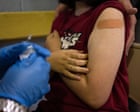
Kindergarten Vaccination Rates Show Concerning Decline
Recent data released by the Centers for Disease Control and Prevention (CDC) documents a measurable decline in kindergarten vaccination rates, particularly affecting MMR immunization coverage. The new report reveals that non-medical exemptions have reached an unprecedented 4.2%, marking a significant shift in parental vaccination decisions across American schools. This kindergarten vaccination rates trend has prompted health officials and pediatric experts to reassess immunization policy effectiveness and public health communication strategies.
Understanding the Data Behind the Shift
The CDC's latest national kindergarten vaccination survey provides comprehensive insight into immunization trends across the United States. While agency communications characterized the overall picture as maintaining "high vaccination rates," the underlying figures tell a more nuanced story. The decline in MMR vaccination coverage among five-year-olds entering formal education represents a departure from previous years' stability. Medical professionals across multiple specialties have identified concerning patterns within the newly released statistics.
Non-Medical Exemptions Reach Historic Levels
The most striking aspect of the current kindergarten vaccination rates data involves the dramatic increase in non-medical exemptions. At 4.2%, these exemptions have surpassed previous records, indicating growing numbers of families choosing to forgo vaccinations for philosophical, religious, or personal reasons rather than legitimate medical contraindications. This expansion of exemptions directly correlates with the observable decline in overall vaccination coverage. State-by-state variation in exemption policies has contributed to the uneven distribution of these trends across different regions.
Expert Concerns About Public Health Implications
Medical experts and public health specialists have raised immediate concerns regarding the kindergarten vaccination rates trajectory. Disease prevention specialists emphasize that maintaining high immunization thresholds remains critical for community protection against vaccine-preventable illnesses. The combination of declining vaccination rates and surging non-medical exemptions creates conditions potentially favorable for disease transmission among vulnerable populations, including infants too young for vaccination and immunocompromised individuals.
Communicating Vaccination Benefits to Families
Public health communication strategies have faced scrutiny in recent months, particularly following the proliferation of vaccine misinformation in mainstream discourse. The CDC's three-sentence announcement downplaying the kindergarten vaccination rates changes contrasts sharply with the medical community's interpretation of the data. Health communicators recognize the need for enhanced educational efforts that address parental concerns directly while providing evidence-based information about vaccine safety and efficacy.
Historical Context and Vaccination Trends
Previous kindergarten vaccination rates surveys demonstrated remarkable consistency, with MMR coverage remaining above 95% nationally for extended periods. The current decline represents a meaningful departure from this established pattern. Historical analysis shows that shifts in vaccination rates typically correlate with specific policy changes, media coverage, or influential public figures' statements regarding immunization. Understanding these patterns helps experts predict future trends and identify intervention points.
Regional Variations in Kindergarten Vaccination Coverage
Geographic differences in kindergarten vaccination rates have become increasingly pronounced. Certain states maintain substantially higher exemption rates, reflecting varying regulatory frameworks and cultural attitudes toward vaccination. These regional disparities create patchwork immunity coverage that complicates disease prevention efforts. Public health officials note that states with permissive exemption policies experience more rapid erosion of vaccination rates compared to states with restrictive policies.
The Role of Misinformation in Exemption Growth
The expansion of non-medical exemptions correlates temporally with increased vaccine-related misinformation circulating through social media and public forums. Claims regarding vaccine composition, side effects, and long-term safety have proliferated despite contradicting scientific evidence. These narratives have influenced parental decision-making regarding kindergarten vaccination rates, contributing to the observed exemption surge. Public health authorities have struggled to counter misinformation effectively while maintaining community trust.
Moving Forward: Policy and Education Strategies
Addressing the declining kindergarten vaccination rates requires multifaceted approaches combining policy adjustment, enhanced communication, and community engagement. Medical organizations recommend strengthening school-based vaccination initiatives and improving healthcare provider conversations with families. Policymakers face decisions regarding exemption policy modifications in response to the current trends. Education campaigns emphasizing vaccine-preventable disease risks may help restore confidence in immunization programs.
The current kindergarten vaccination rates data serves as a critical indicator of public health immunity status and future disease vulnerability. Stakeholders across healthcare, education, and government sectors must collaborate to reverse declining immunization trends and address the root causes driving non-medical exemption growth. Sustained attention to these metrics and responsive policy implementation will determine whether vaccination coverage rebounds or continues its concerning trajectory.