
Israeli Military Kills Two Suspected Hezbollah Members in Lebanon Amid Ceasefire Tensions
Israeli forces reportedly kill two men in southern Lebanon during renewed military operations. Hezbollah claims ceasefire violation as tensions escalate between Israel and Iran-backed group.
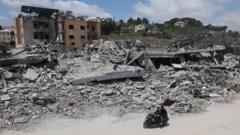
Israeli Military Kills Two in Southern Lebanon Ceasefire Incident
An Israeli military operation in southern Lebanon has resulted in the deaths of two individuals, reigniting tensions following a period of relative calm. The Israeli military claims the two men were Hezbollah operatives engaged in hostile activities, yet the Iran-backed organization has swiftly condemned the incident as a serious breach of existing ceasefire agreements. This development marks a significant escalation in cross-border hostilities and raises critical questions about the stability of current peace arrangements between the two adversaries.
Israeli Military Claims About the Incident
According to official statements from Israel's Defense Forces, the military operation targeted what they identified as active Hezbollah operatives in the southern region of Lebanon. The Israeli military has maintained that the operation was conducted in response to specific security threats emanating from across the border. Defense officials have characterized the action as a necessary measure to protect Israeli citizens and maintain regional security. The military's statement emphasized that their forces acted within established operational protocols during the incident.
Hezbollah's Countercharge of Ceasefire Violation
Hezbollah, the powerful Lebanese militant organization and political party backed by Iran, has issued a forceful statement accusing Israel of violating ceasefire terms. The group claims that the killing of the two men constitutes a deliberate breach of the understanding that had established relative tranquility in the region. This accusation underscores the fragile nature of peace arrangements between Israeli forces and Hezbollah, which has repeatedly clashed with Israel across the Lebanese border. The organization's response suggests that any further violations could trigger renewed hostilities and destabilize the carefully maintained equilibrium.
Context of Regional Tensions and Previous Clashes
The incident occurs within a broader pattern of Israeli-Lebanese tensions that have persisted for decades. Hezbollah, designated as a terrorist organization by several Western nations including the United States and Israel, has been engaged in military confrontations with Israeli forces spanning multiple decades. The southern border region has historically served as a flashpoint for regional conflicts, with both military operations and cross-border incidents occurring with notable frequency. Previous rounds of fighting have caused significant casualties and displaced thousands of civilians in both Israel and Lebanon.
Implications for Ongoing Ceasefire Agreements
The killing of the two individuals raises serious concerns about the durability of current ceasefire arrangements between Israel and Hezbollah. Both sides have demonstrated a willingness to respond forcefully to perceived violations, creating a volatile cycle of action and reaction that threatens to destabilize the region. International observers have expressed concern that such incidents could rapidly escalate into larger-scale military confrontations if not carefully managed. The delicate balance that had begun to establish itself following the previous period of calm now appears increasingly precarious.
International Response and Diplomatic Considerations
Regional and international actors have taken notice of the renewed tensions resulting from this military operation. The incident has prompted discussions among diplomatic officials regarding the necessity of reinforcing ceasefire mechanisms and establishing clearer protocols for preventing escalation. Various international organizations have called for restraint from both parties and renewed commitment to peaceful resolution of disputes. The involvement of Iran as Hezbollah's primary backer adds another layer of complexity to the situation, as it influences broader regional geopolitical dynamics beyond the immediate Israeli-Lebanese context.
Security Situation in Southern Lebanon
Southern Lebanon has remained a strategically sensitive area due to its proximity to the Israeli border and the substantial Hezbollah presence throughout the region. Civilian populations in the area face ongoing risks from military operations conducted by both Israeli forces and Hezbollah fighters. The incident involving the death of the two men serves as a reminder of the persistent security challenges that characterize this border region. Local residents and humanitarian organizations have expressed deep concern about the potential for renewed violence and its impact on civilian communities already traumatized by years of conflict.
Looking Ahead: Escalation Risks and Diplomatic Efforts
As both sides respond to this incident, questions remain about the trajectory of Israeli-Lebanese relations in the coming weeks and months. The sustainability of the ceasefire framework depends significantly on both parties' ability to exercise restraint and engage constructively in dispute resolution mechanisms. Military analysts warn that without renewed diplomatic efforts and clear communication channels, the cycle of incident and response could accelerate rapidly. The international community continues to monitor developments closely, with several nations offering mediation support to prevent further deterioration of the security situation along the border.


