
Iran's Supreme Leader Absent During Ayatollah's Funeral
Iran's Supreme Leader conspicuously absent as senior officials attend the funeral of a prominent ayatollah. Key details on the notable absence during ceremonies.
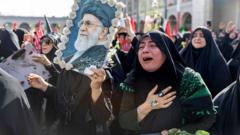
Iran's Supreme Leader Absent During Major Funeral Ceremony
Iran's Supreme Leader has been notably absent from public view following a significant attack that claimed the life of a prominent ayatollah at a critical moment in regional tensions. The absence of Iran's Supreme Leader during the funeral proceedings has drawn considerable attention from international observers and domestic constituencies alike, marking an unusual development in Iran's political landscape.
Circumstances Surrounding the Attack
The attack that precipitated this situation occurred at the outset of heightened military confrontation between regional powers and international allies. This incident resulted in the death of a senior ayatollah, triggering an immediate shift in Iran's diplomatic and internal security posture. The timing of the attack coincided with escalating tensions in the broader US-Israel conflict involving Iran, creating a complex geopolitical situation.
Notable Absence from Public Functions
The conspicuous absence of Iran's Supreme Leader from funeral observances represents a departure from typical protocols governing leadership participation in major religious and state ceremonies. Senior Iranian officials proceeded with funeral arrangements and religious rites, but the absence of the nation's top leadership figure added significant symbolic weight to the proceedings. This development has prompted speculation regarding the circumstances necessitating the withdrawal from public activities.
Senior Officials' Response
Despite the absence of Iran's Supreme Leader, numerous senior officials participated in funeral ceremonies, maintaining governmental continuity and demonstrating institutional solidarity. These officials delivered remarks, coordinated security arrangements, and ensured that appropriate religious protocols were observed throughout the proceedings. The collective participation of Iran's administrative apparatus underscored the significance of the occasion within national and religious contexts.
International Context and Regional Tensions
The circumstances surrounding this funeral must be understood within the broader context of US-Israel military operations and Iran's strategic responses. The initial attack occurred during a period of unprecedented military escalation, with cross-border incidents and retaliatory operations becoming increasingly frequent. The convergence of these events has created a complex situation affecting Iran's political stability and international relations.
Implications for Iran's Leadership
The extended public absence of Iran's Supreme Leader raises questions about governance continuity and decision-making authority during a critical period. Historical precedent suggests that extended absences from public duties typically coincide with either security concerns or significant health-related issues. The lack of official statements regarding the situation has intensified international curiosity and domestic concern about Iran's leadership trajectory.
Religious and Cultural Significance
Funeral ceremonies in Iran carry profound religious and cultural weight, with attendance by senior leadership figures serving as crucial markers of respect and political legitimacy. The absence of Iran's Supreme Leader from such proceedings, therefore, represents a noteworthy deviation from customary practice. This absence may reflect the unprecedented nature of the security situation or other extraordinary circumstances requiring the leadership's focused attention elsewhere.
Ongoing Situation
As of current reporting, Iran's Supreme Leader maintains limited public visibility, with no official timeline announced for resumption of normal public duties. Government operations continue under senior officials' management, though the extended absence of the nation's chief executive has not gone unnoticed by international intelligence agencies and regional analysts. The situation remains fluid, with further developments anticipated as circumstances evolve.


