Identify Your Emotions With the Feelings Wheel Tool
Learn how the feelings wheel helps identify emotions effectively. Discover why naming feelings matters for mental health and emotional well-being.
Understanding Emotional Identification Challenges
The ability to identify emotions represents one of the fundamental aspects of emotional intelligence and mental well-being. Research demonstrates that approximately 10% of the general population experiences significant difficulty when attempting to identify emotions in themselves. This challenge extends beyond simple vocabulary limitations; it reflects a deeper struggle in recognizing and processing internal emotional states that many people take for granted.
When individuals cannot properly identify emotions, they face considerable obstacles in managing their psychological responses to life situations. Without the capacity to recognize what they're feeling, people struggle to determine appropriate actions or seek necessary support. This gap in emotional awareness can lead to increased stress, anxiety, and difficulty navigating interpersonal relationships.
Why Naming Feelings Matters for Mental Health
Emotional naming, though it appears instinctive for most, actually represents a learned skill developed during childhood. For those who didn't acquire this competency early or who experience natural difficulty in this area, the consequences can be substantial. The process of identifying emotions involves more than just assigning labels; it requires connecting physical sensations, thoughts, and contexts into a coherent understanding of one's emotional state.
Research indicates that the ability to identify emotions correlates strongly with better mental health outcomes, improved emotional regulation, and stronger interpersonal functioning. When people can accurately name their feelings, they gain greater control over their emotional responses and make more informed decisions about how to address underlying needs.
Introducing the Feelings Wheel Solution
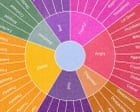
Recognizing these widespread challenges, mental health professionals and educators have increasingly turned to practical tools designed to help people identify emotions more effectively. One such instrument that has gained considerable traction in therapeutic and educational settings is the feelings wheel. This innovative visual resource provides a structured framework for exploring and naming the full spectrum of human emotions.
The feelings wheel operates on a principle of hierarchical emotion categorization, beginning with primary emotions and progressively expanding into more nuanced and complex emotional states. This graduated approach makes it particularly effective for individuals struggling with emotional identification, as it offers concrete guidance through the often-confusing landscape of internal feelings.
How the Feelings Wheel Enhances Emotional Awareness
The popularity of the feelings wheel in clinical and classroom environments reflects its practical effectiveness in addressing emotional identification challenges. By providing visual cues and categorical frameworks, this tool helps users navigate their emotional landscape with greater precision and confidence. The wheel format allows users to identify primary emotional categories first, then explore deeper variations and nuances within each category.
Therapists have embraced this tool because it facilitates more productive sessions, enabling clients to communicate their emotional states more clearly. In educational settings, teachers use the feelings wheel to help students develop emotional literacy and vocabulary. This expanded capacity to identify emotions early in a person's life can prevent the development of emotional identification difficulties later.
Practical Applications in Therapy and Education
The integration of feeling identification tools into therapeutic practice represents a significant advancement in mental health treatment. When clients can more effectively identify emotions, therapists gain valuable insights into their psychological experiences and can tailor interventions more precisely. This improved communication foundation strengthens the therapeutic relationship and enhances treatment outcomes.
Educational applications prove equally valuable, particularly for children and adolescents developing their emotional competencies. By introducing structured emotion identification methods early, educators help students build robust emotional vocabularies and self-awareness skills that serve them throughout their lives.
Conclusion: Building Emotional Competence
For the significant portion of the population that struggles to identify emotions, tools like the feelings wheel offer practical solutions that have demonstrated effectiveness in real-world settings. By providing structured frameworks for emotional exploration and naming, these resources help bridge the gap between internal emotional experiences and external expression. Whether used in therapeutic contexts or educational environments, the feelings wheel represents an accessible pathway toward improved emotional intelligence and mental well-being.