How to Disinfect Your Home After Illness: Complete Guide
Learn proper home disinfection methods to prevent spreading illness. Germs survive on surfaces for up to 2 days. Expert tips for effective cleaning.
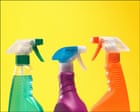
Understanding Germ Survival on Household Surfaces
Home disinfection after illness is a critical step in preventing the spread of contagious viruses to family members and household contacts. When you recover from the flu or similar illnesses, taking time to thoroughly clean your living space becomes essential for protecting others. Research shows that while flu viruses remain on human hands for approximately five minutes, they can persist on hard surfaces for considerably longer periods.
Scientific studies have documented that cold and flu viruses remain contagious on various household surfaces for anywhere between several hours to two full days. This extended survival time makes comprehensive home disinfection after illness a necessary precaution. Hard surfaces such as doorknobs, light switches, remote controls, and kitchen countertops become potential transmission points if not properly sanitized.
High-Touch Areas Require Priority Attention
When beginning your disinfection process, focus on surfaces that receive frequent contact throughout the day. These high-touch areas accumulate the most pathogens and present the greatest risk of spreading illness to household members. Understanding which surfaces warrant immediate attention allows for more efficient and effective cleaning.
Door handles, both interior and exterior, should be among your first priorities during home disinfection after illness. Kitchen and bathroom faucets, sink handles, and countertops frequently contacted during meal preparation and personal hygiene routines deserve thorough attention. Light switches throughout your home, television remote controls, computer keyboards, and mobile devices all harbor significant bacterial and viral loads.
Bedroom surfaces warrant equal consideration, particularly bedside tables, alarm clocks, and any frequently used items. Bathroom areas beyond faucets, including toilet seats, flush handles, and shower controls, should receive dedicated disinfection efforts. Common living areas such as furniture armrests, stair railings, and shared appliance handles represent additional transmission risks.
Choosing Appropriate Disinfectants for Maximum Effectiveness
Selecting the right disinfectant products determines the success of your home disinfection after illness efforts. Different surface types require different cleaning approaches to ensure both safety and effectiveness. Understanding product labels and application methods prevents damage while maximizing pathogen elimination.
Chemical disinfectants containing bleach solutions remain among the most reliable options for hard surfaces. A diluted bleach solution of one part bleach to ten parts water effectively eliminates viruses and bacteria. Commercial disinfectant sprays labeled as antimicrobial work well on most household surfaces when applied according to manufacturer instructions.
Quaternary ammonium compounds, commonly found in household disinfectants, provide effective surface coverage without the corrosive properties of bleach. Alcohol-based disinfectants with at least 70 percent alcohol concentration prove particularly effective against influenza and coronavirus particles. These options suit electronic devices and sensitive surfaces better than harsher chemical alternatives.
Step-by-Step Disinfection Process for Complete Coverage
Implementing a systematic approach to home disinfection after illness ensures comprehensive pathogen elimination throughout your residence. Beginning with a room-by-room strategy prevents missed areas and maintains focus during the cleaning process. Proper technique and adequate contact time with disinfectant products are essential for success.
Start by removing visible dirt and debris from surfaces with a damp cloth or appropriate cleaning solution. This preliminary cleaning step removes organic matter that can interfere with disinfectant effectiveness. Follow this by applying your chosen disinfectant product according to product instructions, paying special attention to coverage of all surfaces.
Allow adequate contact time for the disinfectant to work effectively. Most products require between five to ten minutes of surface contact to achieve maximum pathogen elimination. During this waiting period, move on to other rooms, returning to previously treated areas for final wiping and drying.
After allowing appropriate contact time, wipe surfaces thoroughly with clean cloths or disposable paper towels. This removal of excess disinfectant prevents residue buildup and potential surface damage from prolonged chemical contact. Pay particular attention to corners, edges, and textured surfaces where pathogens may accumulate.
Special Considerations for Electronics and Delicate Surfaces
Electronic devices and sensitive materials require modified disinfection approaches during your home disinfection after illness routine. Standard liquid disinfectants can damage screens and internal components if applied carelessly. Alternative methods protect both your devices and your health simultaneously.
For mobile phones, tablets, and computer screens, use disinfectant wipes specifically designed for electronics or prepare a 70 percent isopropyl alcohol solution. Apply the solution sparingly to microfiber cloths rather than spraying directly on devices. This method prevents liquid infiltration while effectively eliminating surface pathogens.
Keyboard and mouse surfaces can be disinfected using the same alcohol-based approach. For porous materials like upholstered furniture, vacuuming followed by application of fabric-safe disinfectant spray provides effective results. Ensure adequate ventilation during and after fabric disinfection to allow complete drying.
Creating a Sustained Cleaning Schedule Post-Recovery
Maintaining cleanliness following your initial home disinfection after illness prevents pathogen reaccumulation and protects household members. Implementing daily cleaning habits during the recovery period and immediately afterward reduces transmission risks significantly. Consistent surface wiping reduces overall pathogen loads in your living environment.
Establish a daily routine of wiping down high-touch surfaces with appropriate disinfectants. This practice takes approximately fifteen to twenty minutes daily but substantially reduces illness transmission risks. Include this routine for at least one week following your complete recovery from symptoms.
Washing hands frequently, maintaining respiratory hygiene, and minimizing shared surface contact complement your disinfection efforts. Proper home disinfection after illness requires combining environmental cleaning with personal health practices for optimal protection of all household members.