
Heat Wave Causes Multiple Hospital Visits for Stranded M25 Motorists
Ambulance services struggle to reach patients with heat-related illnesses during major M25 traffic incident. Several motorists hospitalized amid extreme temperatures.
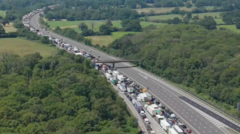
Major Traffic Disruption on M25 Leaves Motorists Vulnerable to Extreme Heat
A significant congestion event on the M25 motorway has resulted in numerous cases of heat related illnesses among stranded travelers during an intense weather warning period. Emergency responders faced considerable challenges in attending to affected individuals across the busy highway corridor.
The incident highlighted critical gaps in emergency response capabilities when dealing with high-temperature conditions on major transport routes. Motorists trapped in stationary vehicles experienced severe physical strain as temperatures soared, creating dangerous health situations that required immediate medical intervention.
Ambulance Service Faces Response Challenges
According to official statements from the ambulance service, teams encountered substantial difficulties in accessing patients who were experiencing heat-related complications along the M25 motorway. The congested nature of the roadway, combined with the sheer volume of affected individuals, strained typical emergency protocols and response timeframes.
Multiple vehicles requiring medical assistance created a complex logistical situation for paramedics attempting to navigate through stationary traffic. The ambulance service acknowledged that heat related illnesses presented acute symptoms that demanded swift clinical attention, yet the traffic conditions severely hampered deployment speeds and accessibility to patients.
Hospital Treatment and Medical Response
Several motorists were ultimately transported to nearby hospital facilities for comprehensive treatment and monitoring. These individuals presented with various symptoms consistent with prolonged heat exposure, including dehydration, heat exhaustion, and related complications requiring professional medical care.
The hospitalization of multiple patients underscored the serious health implications of remaining confined within vehicles during extreme temperature events. Medical professionals documented diverse presentations of heat-related conditions among the affected population, emphasizing the vulnerability of individuals trapped in high-temperature environments with limited ventilation and mobility.
Challenges in Emergency Access During Peak Heat Conditions
The incident revealed the pronounced difficulty faced by emergency services when attempting to traverse congested motorway sections during periods of elevated ambient temperatures. Standard response protocols proved insufficient for managing the volume and severity of cases simultaneously affecting multiple stranded motorists.
Vehicle occupants, unable to exit the M25 due to traffic gridlock, faced cumulative heat stress that progressively worsened medical conditions. The combination of stationary vehicles, rising external temperatures, and limited escape routes created a perfect storm of health emergencies that overwhelmed conventional emergency service capacity.
Prevention and Future Preparedness Measures
This incident serves as a critical reminder of the dangers posed by extreme weather conditions when affecting transportation infrastructure. Authorities have been prompted to reassess emergency response protocols specifically designed for heat-related incidents occurring on major motorways like the M25.
Motorists are now being advised to maintain adequate hydration supplies, activate vehicle ventilation systems during peak heat hours, and remain alert to early warning signs of heat related illnesses. Emergency services continue developing enhanced strategies for rapid response when heat-related medical emergencies coincide with significant traffic disruptions on major routes.
The ambulance service has indicated that future events of this nature may require additional resource allocation and pre-positioned units during periods when heat alerts are in effect. Coordination between traffic management, emergency services, and meteorological agencies will be essential for mitigating similar situations and protecting vulnerable motorway users from potentially life-threatening heat exposure.


