
H5N1 Bird Flu Detected in Australia, Completing Global Spread
Australia confirms its first H5N1 bird flu case, marking the virus's presence on every continent. Learn about this significant development in global avian influenza tracking.
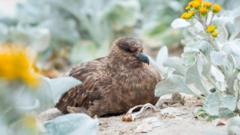
Australia Confirms First H5N1 Bird Flu Case
Australia has officially documented its first confirmed case of H5N1 bird flu, a development that marks a significant milestone in the virus's worldwide expansion. The detection of H5N1 bird flu in Australia ends the continent's status as the sole region untouched by this highly pathogenic avian influenza strain, signaling that the virus has now established its presence across all seven continents.
The confirmation of H5N1 bird flu in Australian territory represents a critical juncture in the ongoing global health concern surrounding avian influenza transmission. Prior to this discovery, Australia stood alone as the only inhabited continent where the H5N1 strain had not previously been identified, making it the final frontier in tracking the virus's relentless geographical expansion.
Understanding the Global Spread of H5N1
The H5N1 avian influenza virus has demonstrated remarkable capacity for international transmission over the past several years. This highly contagious pathogen has progressively infiltrated ecosystems across Asia, Europe, Africa, North America, South America, and Antarctica, with migratory bird populations serving as primary vectors for disease dissemination.
The presence of H5N1 bird flu on every continent underscores the interconnected nature of global wildlife populations and the vulnerability of animal health systems worldwide. Ornithologists and epidemiologists have long anticipated the eventual arrival of the virus in Australia, given the continent's extensive avian biodiversity and its position along migration routes utilized by various bird species.
Implications for Australian Wildlife and Agriculture
The detection of H5N1 bird flu in Australia carries substantial implications for the nation's poultry industry, wildlife conservation efforts, and biosecurity frameworks. Australian agricultural authorities have implemented enhanced surveillance protocols to monitor for additional cases and prevent potential transmission to commercial bird operations.
Wildlife officials express concern regarding the impact on native Australian bird species, particularly endangered populations that lack immunity to H5N1. The virus poses unprecedented risks to endemic species and ecological systems that evolved without exposure to such pathogens. Conservation strategies are being evaluated to minimize ecological disruption and protect vulnerable fauna.
Response and Surveillance Measures
Australian government agencies have activated comprehensive response protocols following the H5N1 bird flu confirmation. These measures include intensified testing of wild bird populations, enhanced biosecurity at farming facilities, and coordination with international health organizations to monitor the virus's behavior and spread patterns.
The detection methodology and confirmatory tests applied to identify H5N1 bird flu in Australia reflect the nation's commitment to rigorous epidemiological surveillance. Genomic sequencing of the detected virus is underway to determine its lineage and assess potential evolutionary changes that might affect virulence or transmissibility.
What This Means for Global Health
The confirmation that H5N1 bird flu has reached every continent represents a watershed moment in pandemic preparedness and disease surveillance. This development reinforces the necessity of robust international cooperation in tracking zoonotic pathogens and implementing coordinated prevention strategies across political and geographical boundaries.
Scientists emphasize that the presence of H5N1 bird flu across all continents demonstrates the virus's adaptive capacity and the challenges inherent in containing rapidly spreading pathogens in interconnected global ecosystems. Future pandemic prevention strategies must account for the reality of ubiquitous avian influenza circulation and the potential for periodic human exposure incidents.
Looking Forward
As H5N1 bird flu becomes an established feature of the global epidemiological landscape, ongoing research into vaccine development, antiviral efficacy, and surveillance enhancement remains paramount. Australia's confirmation of the virus signals the need for sustained vigilance and proactive disease management across agricultural, wildlife, and public health sectors worldwide.


