H5 Bird Flu Crisis: Australia Faces Wildlife Emergency
H5 bird flu has arrived in Australia. Learn about the H5N1 virus, its origins, human risks, and impact on agriculture and wildlife in this comprehensive guide.
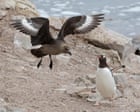
H5 Bird Flu Arrives in Australia: A Critical Wildlife Threat
A dangerous strain of avian influenza, commonly referred to as H5 bird flu, has now reached the Australian mainland, marking a significant turning point for the nation's ecological health and agricultural sector. Federal Agriculture Minister Julie Collins announced this weekend that a brown skua discovered in Western Australia succumbed to the H5N1 virus, confirming the presence of this deadly pathogen on Australian soil. The affected bird, classified as a wild migratory species, represents the first confirmed case of H5 bird flu in mainland Australia, prompting urgent responses from government agencies and environmental experts.
Understanding the H5N1 Virus
The H5N1 strain of bird flu represents one of the most concerning avian influenza variants affecting global bird populations. This particular virus has demonstrated remarkable transmissibility among wild birds and poultry populations worldwide. The virus operates by infecting the respiratory and digestive systems of infected birds, leading to rapid deterioration and death in many cases.
H5 bird flu belongs to a family of influenza viruses that have evolved to exploit avian hosts with devastating efficiency. The virus's ability to spread across vast geographic regions through migratory bird populations has made it a persistent international challenge. Scientists have identified multiple sub-variants within the H5 lineage, with H5N1 being particularly virulent and transmissible.
Origins and Global Spread of H5N1
The H5N1 virus emerged in Asian poultry farms during the late 1990s, where it caused significant economic losses and mortality among domesticated birds. From these initial outbreak sites, the virus spread progressively through wild bird migration routes, eventually reaching Europe, Africa, and now Oceania. Migratory waterfowl and seabirds serve as natural vectors, carrying the virus across continents during their seasonal movements.
The arrival of H5 bird flu in Australia follows established patterns observed in other regions where migratory birds travel from virus-endemic areas. Climate patterns, oceanic currents, and bird migration timings have likely facilitated the virus's journey to Australian waters. Once introduced, the virus can establish itself in local wild bird populations, creating ongoing transmission cycles that prove difficult to control.
Human Health Risks and Safety Concerns
While H5 bird flu primarily affects avian species, questions about human transmission remain paramount in public health discussions. Current epidemiological evidence indicates that direct transmission from birds to humans occurs rarely, typically requiring prolonged close contact with infected animals or their bodily fluids. Most documented human cases have involved individuals working directly with infected poultry or wild birds.
Health authorities emphasize that the general population faces minimal risk from casual exposure to infected birds. However, people who work in agricultural settings, wildlife rehabilitation centers, or bird research facilities should implement enhanced biosecurity measures. Proper hygiene practices, including hand washing and appropriate personal protective equipment, significantly reduce transmission risks for high-risk occupational groups.
Agricultural and Poultry Industry Implications
The presence of H5 bird flu in Australia creates substantial concerns for the nation's agricultural sector, particularly the poultry industry. Commercial chicken and turkey farms implement stringent biosecurity protocols to prevent virus introduction through wild bird contact, contaminated feed, or equipment. The economic consequences of H5 bird flu outbreaks in poultry operations can be devastating, requiring mass culling and extended production disruptions.
Farmers and agricultural operators must remain vigilant in monitoring their flocks for signs of illness, including sudden mortality, neurological symptoms, and reduced egg production. State and federal agricultural departments have established surveillance programs and rapid response protocols to detect and contain any outbreaks in domestic poultry operations. Export markets also impose strict requirements on bird products from regions with confirmed H5 bird flu cases.
Wildlife Population Consequences
Native Australian wildlife faces significant vulnerability to H5 bird flu, particularly species with large population densities or restricted geographic ranges. Seabirds, including penguins and cormorants, demonstrate high susceptibility to the virus. Waterfowl such as ducks and swans can contract and transmit the infection, potentially creating reservoir populations that maintain viral circulation.
The ecological consequences extend beyond direct mortality in bird populations. Population declines in key species could disrupt food chains, affect breeding patterns, and compromise ecosystem balance across multiple habitats. Wildlife managers and conservation organizations are developing strategies to monitor vulnerable species and assess the broader environmental impacts of H5 bird flu establishment in Australian ecosystems.
Response Strategies and Monitoring Efforts
Australian authorities have activated comprehensive surveillance and response mechanisms to track H5 bird flu spread and prevent agricultural outbreaks. Diagnostic laboratories have expanded capacity to test sick and deceased birds from across the country. Wildlife rehabilitation centers, zoos, and research institutions are implementing enhanced biosecurity procedures to protect animals in their care.
Ongoing monitoring of wild bird populations provides early warning of viral spread through different regions. Environmental sampling and targeted testing of high-risk species help authorities understand transmission patterns and predict potential expansion zones. Public reporting of unusual bird mortality events contributes valuable intelligence to detection networks.
What Residents Should Know
Members of the public should avoid handling sick or dead birds, as H5 bird flu can persist on feathers and bodily surfaces. Anyone discovering deceased birds should report findings to local wildlife authorities rather than investigating independently. Backyard poultry keepers must implement strict biosecurity measures, including limiting outdoor access, preventing contact with wild birds, and maintaining quarantine protocols for new birds.
The H5 bird flu situation in Australia demands coordinated responses from government agencies, agricultural producers, wildlife professionals, and the general community to minimize transmission and protect both human and animal health.