
Guinea Landfill Disaster Kills Dozens in Capital
A massive garbage heap collapse in Guinea's capital has resulted in 30 deaths, burying residential homes. Learn about this environmental disaster and its aftermath.
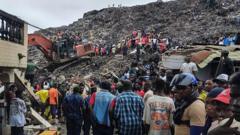
Catastrophic Landfill Collapse Claims 30 Lives in Guinea's Capital
A devastating landfill collapse in Guinea has resulted in the deaths of approximately 30 people, according to statements released by government authorities. The incident occurred at a major waste disposal facility located within the nation's capital, where an enormous accumulation of refuse unexpectedly gave way, causing significant destruction to surrounding residential areas.
The Disaster Unfolds
The landfill collapse happened when a massive mound of accumulated rubbish suddenly shifted and descended onto multiple homes situated adjacent to the waste site. Government officials confirmed that the collapse buried several residential structures beneath tons of debris, trapping occupants and causing immediate casualties. Emergency response teams were quickly mobilized to address the emergency, though rescue operations proved challenging due to the volume of waste material covering the affected area.
Impact on Local Community
The disaster has had profound consequences for residents living near the waste facility. The families whose homes were buried in the landfill collapse have suffered tremendous loss, with many losing not only their dwellings but also family members. Beyond the immediate fatalities, countless individuals remain unaccounted for, and rescue workers continue excavating through the debris in search of potential survivors and victims.
Environmental and Infrastructure Concerns
This incident raises serious questions regarding waste management practices and environmental safety standards in Guinea's capital. The accumulation of refuse at the site had apparently reached critical levels, creating an unstable structural situation. Environmental experts have pointed out that inadequate landfill maintenance and insufficient monitoring protocols likely contributed to the catastrophic failure. The massive landfill collapse demonstrates the dangers of poorly managed waste disposal systems and the need for comprehensive infrastructure improvements.
Government Response and Investigation
Government authorities have launched an investigation into the circumstances surrounding the collapse. Officials are examining factors such as improper waste compaction, inadequate drainage systems, and structural integrity concerns at the facility. Preliminary assessments suggest that the waste mound's composition and the saturation of materials may have weakened its structural foundation, making it susceptible to sudden collapse under its own weight.
Broader Implications for Waste Management
The tragedy at this major waste site serves as a stark reminder of the critical importance of proper landfill management and oversight. Many developing nations face similar challenges with waste disposal infrastructure, and this incident in Guinea's capital may prompt regional authorities to reassess their own waste management protocols. The landfill collapse underscores the necessity for investment in modern waste treatment facilities, proper staff training, and regular safety inspections.
Support for Affected Families
In response to the disaster, government representatives have announced plans to provide assistance to affected families and survivors. Relief efforts are underway to identify the deceased, assist with burial arrangements, and offer temporary shelter and support services to those who lost their homes in the collapse. International humanitarian organizations have also expressed willingness to provide additional assistance in rescue and recovery operations.
Lessons for the Future
As Guinea's capital confronts this devastating incident, attention has turned toward preventing similar tragedies. The landfill collapse has prompted discussions about implementing stricter environmental regulations, upgrading waste management infrastructure, and establishing better monitoring systems at disposal sites. Officials are also considering the relocation of future waste facilities away from densely populated residential areas to minimize risks to the public.


