Global Power Shift: Europe Faces Trump, Putin and Xi Alliance
Explore the geopolitical implications of the Trump, Putin, and Xi alliance at the APEC summit. Is Europe losing global influence amid international realignments?
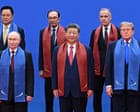
The Emerging Alliance and Its Implications
The Trump, Putin and Xi alliance has become a focal point of international attention following their convergence at the APEC summit in China. This gathering raises significant questions about the future trajectory of global power dynamics and Europe's position in the emerging world order. While Andy Burnham was simultaneously engaging with western leaders in Berlin and Brussels to strengthen ties with the European Union and address Ukraine concerns, the high-profile meeting between these three influential leaders has sparked considerable debate about whether we are witnessing a fundamental realignment of international influence.
Europe's Diplomatic Response
British and European officials are actively addressing the implications of the Trump, Putin and Xi alliance through diplomatic channels. Burnham's engagements with Western counterparts this week underscore growing concerns about maintaining European cohesion and strengthening relationships with the United Kingdom following Brexit. The timing of these bilateral discussions coincides with the broader strategic question of whether Europe can maintain its relevance and influence amid shifting global alignments.
The EU's approach to a potential reset with the UK represents a critical component of Europe's strategy to consolidate its position. These negotiations signal recognition that internal European unity and strengthened partnerships remain essential to countering perceived power consolidations among other major actors. The focus on Ukraine during these diplomatic visits also reflects Europe's commitment to supporting international stability and defending established norms against perceived challenges.
APEC Summit: Strategic Positioning or Symbolic Gesture?
The convergence of Trump, Putin and Xi at the APEC summit in China presents multiple interpretations. Some analysts view it as a consequential moment representing genuine shifts in power distribution and strategic alignment among three major geopolitical actors. Others contend it represents largely ceremonial engagement, amplified by media attention and speculative analysis rather than substantive policy coordination.
The symbolic weight of such high-level meetings cannot be dismissed in international relations, where perception often drives policy outcomes. However, distinguishing between genuine strategic partnerships and diplomatic theater remains crucial for accurate assessment. The specific outcomes, bilateral discussions, and policy positions articulated during the summit provide more reliable indicators of actual intention than visual documentation alone.
Global Power Dynamics in Transition
The question of whether global influence is shifting away from Europe reflects legitimate concerns about relative power distribution. Europe continues to represent significant economic capacity, military resources, and institutional strength through the European Union and NATO frameworks. However, the rise of other centers of power and shifting geopolitical interests create genuine challenges to European influence.
The Trump, Putin and Xi alliance, whether formally structured or loosely coordinated, potentially represents competing interests in regions where Europe maintains historical involvement and contemporary interests. Issues ranging from trade relationships to regional security create competitive dynamics that require careful European strategic planning and response.
Strategic Considerations for Western Leaders
Western leaders, including those meeting with Burnham, recognize that maintaining effective collaboration while adapting to new realities represents the primary challenge. The focus on Ukraine indicates consensus regarding specific security concerns, while discussions about UK-EU relations suggest efforts to consolidate Western institutional strength.
Moving forward, the European response to global power realignments will likely emphasize strengthening existing partnerships, reinforcing institutional frameworks, and demonstrating continued relevance in addressing contemporary international challenges. Whether these efforts prove sufficient in countering perceived power shifts remains to be determined through ongoing diplomatic and policy developments.
Looking Ahead
The coming months will reveal whether the Trump, Putin and Xi alliance represents a transformative moment in global geopolitics or a temporary convergence of interests. European leaders' current diplomatic engagement and strategic positioning will significantly influence outcomes. Continued monitoring of policy developments, economic relationships, and military posturing will provide clearer indication of genuine power shifts versus speculative analysis.