
Glacier Collapse Triggered Catastrophic Floods in Nepal-Tibet Region
Scientists identify collapsed glacier as primary cause of devastating Nepal-Tibet floods, raising concerns about rapidly melting Himalayan ice and climate impacts.
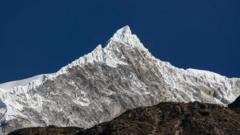
Glacier Collapse Identified as Primary Cause of Devastating Floods
A glacier collapse floods investigation has revealed critical findings about the environmental disaster that struck the Nepal-Tibet border region. Scientists conducting preliminary examinations have identified a collapsed glacier as the primary factor responsible for the catastrophic flooding event, marking another alarming indicator of climate change impacts on the world's highest mountain range.
The initial findings underscore the urgent need to monitor glacial stability in the Himalayan region, where thousands of ice formations face unprecedented melting conditions. Expert teams deployed to affected areas have documented extensive damage patterns consistent with sudden water release from glacial sources, providing concrete evidence for the collapse theory.
Rapidly Melting Himalayan Ice: A Growing Threat
The issue of rapidly melting Himalayan ice has become increasingly pressing for scientists and government officials across the region. Mountain glaciers serve as natural water reservoirs for millions of people living in downstream areas, and their accelerated deterioration poses significant risks to communities dependent on stable water supplies.
Research conducted over the past decade demonstrates alarming recession rates among Himalayan glaciers. Temperature fluctuations in high-altitude zones have intensified ice melt processes, creating unstable conditions that can lead to sudden catastrophic events like the recent flooding incident.
Environmental Implications and Climate Change Factors
The glacier collapse floods event exemplifies how climate change directly manifests through natural disasters in sensitive mountain ecosystems. Scientists have linked accelerated glacial deterioration to rising atmospheric temperatures, altered precipitation patterns, and reduced snowfall accumulation during critical winter months.
Environmental monitoring stations throughout the Himalayas have recorded temperature increases substantially higher than global averages. This regional warming phenomenon accelerates ice thinning and creates structural weaknesses within glacier formations, making catastrophic collapses more probable.
Infrastructure and Community Impact
The flooding caused significant damage to infrastructure, agricultural lands, and settlements in affected valleys. Preliminary assessments indicate that multiple villages experienced severe destruction, with homes, bridges, and irrigation systems rendered inoperable by the force of glacial meltwater.
Communities throughout the Nepal-Tibet border region now face urgent recovery challenges combined with heightened anxiety about future glacial stability. Local authorities have begun implementing early warning systems to detect potential glacier movements and provide residents with evacuation protocols.
Scientific Research and Future Monitoring
Scientists emphasize that comprehensive glacial monitoring programs must expand throughout the Himalayan region to prevent similar disasters. Advanced satellite technology, ground-based sensors, and remote sensing equipment can provide real-time data about glacier health and structural integrity.
International collaboration between research institutions has intensified following this event. Teams from multiple countries are coordinating efforts to establish standardized monitoring protocols and share critical data about glacier stability across international borders.
Long-Term Climate Change Consequences
The glacier collapse floods incident serves as a sobering reminder of climate change's accelerating impacts on mountain regions. Scientists project that without significant global emissions reductions, many Himalayan glaciers could experience substantially greater melting rates in coming decades.
Water security concerns extend beyond immediate flood risks. Seasonal meltwater from glaciers contributes vital dry-season flows to major river systems supporting agriculture and hydroelectric power generation across South Asia. Glacial retreat threatens these essential services for hundreds of millions of people.
The preliminary investigation findings have prompted regional governments to allocate additional resources toward climate adaptation strategies and disaster preparedness infrastructure. Scientists continue their detailed analysis of the collapsed glacier, examining ice core samples and geological data to better understand the mechanisms that triggered this catastrophic event and to improve predictive capabilities for future risks.


