
Girls Combat Misogyny Through Documentary on School Harassment
Teenage girls create powerful film exposing misogyny and harassment in schools, sparking curriculum reform discussions. Watch their impactful stories.
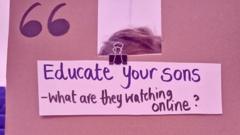
Documentary Reveals Pervasive Misogyny in Educational Environments
A group of determined teenagers has produced a compelling documentary that sheds light on the widespread school misogyny that impacts countless girls in educational institutions worldwide. The film serves as a powerful testimony to the experiences of young women navigating hostile environments within their classrooms and school corridors.
This groundbreaking initiative comes at a critical moment when discussions about curriculum reform and institutional accountability are gaining momentum. The documentary provides authentic voices and perspectives from students themselves, offering educators and policymakers direct insight into the challenges girls face daily.
Student Voices at the Center of Change
The teenage filmmakers behind this project have prioritized authenticity and emotional truth in their storytelling. Rather than relying on external narratives about school misogyny, they chose to document their own experiences and those of their peers, creating a raw and genuine account of life as a young woman in contemporary schools.
Through interviews, personal testimonies, and carefully crafted sequences, the students reveal how misogyny manifests in subtle and overt ways. The documentary captures conversations that many adults might overlook, demonstrating how normalized discriminatory behavior has become within school systems.
Impact on Educational Policy and Awareness
The film has already begun generating significant conversations among educators, parents, and administration officials. By presenting evidence of school misogyny through student perspectives, the documentary creates an undeniable case for systemic change and more inclusive educational practices.
Education leaders are beginning to recognize that addressing these issues requires more than surface-level interventions. The students' testimonies highlight the need for comprehensive training, clear reporting mechanisms, and cultural shifts within school environments.
Curriculum Reform and Future Implications
The timing of this documentary coincides with planned changes to school curricula that aim to create safer, more equitable learning environments. Officials have indicated that the curriculum modifications will incorporate lessons about respectful relationships, consent education, and bystander intervention strategies.
These planned changes represent a significant step toward addressing school misogyny at an institutional level. By integrating new educational content, schools hope to foster environments where young women feel respected, heard, and supported in their academic pursuits.
Broader Conversations About Youth Activism
The teenagers' decision to create this documentary exemplifies how young people are increasingly taking active roles in social change. Rather than waiting for adults to address problems in their schools, they chose to document their experiences and demand accountability.
This approach to youth activism demonstrates the power of storytelling and media literacy in creating awareness. The documentary serves not only as a record of current conditions but as a catalyst for ongoing dialogue about how schools can better protect and support their students.
Moving Forward: What Comes Next
The documentary is expected to be widely distributed within educational networks, with screenings planned for teacher training programs and parent forums. This distribution strategy ensures that the message reaches those responsible for implementing systemic changes.
As schools nationwide grapple with similar issues, this documentary will likely serve as a reference point for communities seeking to understand and address school misogyny. The students' courage in sharing their stories may inspire similar projects in other schools and districts.
The initiative reminds us that meaningful progress requires listening to those most affected by the issues. By centering student voices in conversations about school safety and equality, we move closer to creating genuinely inclusive educational environments where all young people can thrive.


