
Germany Reconsiders Coal Power as Energy Costs Rise
Germany may reverse its coal phase-out plans due to soaring natural gas prices. Discover how energy costs are reshaping Germany's power strategy.
Germany's Shifting Energy Landscape
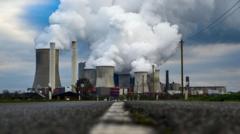
Coal power Germany has emerged as a critical topic in recent energy discussions, as the nation grapples with unprecedented challenges in its transition away from fossil fuels. What was once considered a settled matter—abandoning coal entirely—is now being reconsidered by policymakers in Berlin, who face mounting pressure from volatile energy markets and geopolitical uncertainties.
The sudden spike in natural gas costs has created a complex dilemma for German officials responsible for the country's energy future. As prices for liquefied natural gas continue to fluctuate dramatically, the economic viability of coal as an alternative power source has become impossible to ignore, prompting a serious reevaluation of long-standing environmental commitments.
The Original Coal Exit Plan
Germany had committed to a comprehensive phase-out of coal-fired power plants, with plans to cease all coal-based electricity generation by 2038. This ambitious timeline represented a cornerstone of the nation's Energiewende, or energy transition, aimed at reducing carbon emissions and achieving climate neutrality.
However, coal power Germany's role in the broader European energy crisis has complicated these carefully laid plans. The withdrawal of Russian gas supplies following geopolitical tensions has fundamentally altered the energy equation, forcing policymakers to reconsider fuel sources they had designated for retirement.
Natural Gas Price Surge and Its Implications
The astronomical rise in natural gas prices has sent shockwaves through European energy markets. Wholesale gas prices reached unprecedented levels, straining both industrial competitiveness and household budgets across Germany. This crisis has created an urgent imperative to diversify energy sources and reduce dependence on imported gas.
For utilities and energy companies, the economics have shifted dramatically. Coal power Germany now appears more financially viable than ever, especially when compared to the skyrocketing costs of natural gas imports. This economic reversal challenges the environmental goals that drove the initial coal phase-out decision.
Political and Economic Considerations
German government officials face mounting pressure from multiple directions. Industrial sectors worry about energy security and competitiveness, while environmental advocates remain committed to decarbonization targets. This tension reflects a broader European struggle between immediate economic needs and long-term climate objectives.
The potential reconsideration of coal power Germany represents more than a temporary energy fix. It signals a fundamental reassessment of the nation's energy strategy, with implications for European Union climate policy and international climate commitments. Energy security has temporarily superseded environmental priorities in policy discussions.
Alternative Solutions and Long-Term Strategy
While coal power Germany may provide short-term relief, many experts argue that accelerating renewable energy deployment offers a more sustainable path forward. Wind, solar, and hydroelectric sources could reduce dependence on both coal and imported natural gas.
Investment in energy infrastructure, battery storage technology, and grid modernization could address immediate supply concerns while maintaining progress toward climate goals. However, these solutions require substantial capital investment and time to implement, placing Germany in a difficult position regarding immediate energy needs.
International Context and Market Dynamics
Germany's energy crisis reflects broader European vulnerabilities exposed by geopolitical events. Other nations face similar pressures to maintain energy stability while honoring climate commitments. Coal power Germany's potential return demonstrates how external shocks can rapidly transform energy policy landscapes.
The situation underscores the interconnectedness of European energy markets and the risks of over-reliance on single suppliers. Diversification strategies now receive renewed attention across the continent, with coal potentially serving as a bridge fuel during the transition period.
Looking Forward
Whether Germany ultimately expands coal power Germany or finds alternative solutions remains uncertain. The coming months will reveal how policymakers balance energy security, economic stability, and environmental responsibility. This decision will significantly influence European energy policy and climate action strategies moving forward.


