
German Supermarket Aldi Challenges US Retailers with Affordable $4 Almond Butter
Aldi's aggressive $9 billion US expansion targets urban markets with budget-friendly alternatives. Discover how the German chain competes against Walmart and traditional supermarkets.
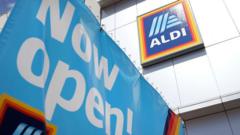
Aldi's Strategic Assault on the American Supermarket Landscape
Aldi's US expansion represents one of the most significant retail challenges to traditional American supermarkets in recent years. The German discount chain is deploying a $9 billion investment strategy specifically designed to capture market share in densely populated urban centers, with particular emphasis on major metropolitan areas such as Manhattan. At the core of this aggressive push lies Aldi's commitment to offering premium products at fraction of conventional retail prices, exemplified by their competitively priced $4 almond butter that undercuts major competitors.
The company's arrival in American markets signals a fundamental shift in how consumers approach grocery shopping. Unlike conventional supermarket models that emphasize broad product selection and elaborate store layouts, Aldi maintains a lean operational structure focused on value delivery. This approach directly challenges established players like Walmart, which has dominated the discount retail space for decades. The Aldi's US expansion strategy addresses a growing consumer preference for cost-effective premium items without sacrificing quality.
Understanding Aldi's Discount Model in Urban Markets
The German supermarket's operational philosophy centers on efficiency and waste reduction. By limiting SKU variety compared to traditional supermarkets, Aldi reduces overhead costs and passes savings directly to consumers. Their $4 almond butter exemplifies this philosophy—a premium health-food staple priced aggressively to attract health-conscious urban dwellers who typically shop at specialty retailers charging nearly double.
Manhattan and other major cities represent ideal testing grounds for Aldi's model. These densely populated urban hubs support high foot traffic with concentrated populations seeking convenience and value. Metropolitan shoppers increasingly demand organic, natural, and health-conscious alternatives, creating perfect conditions for Aldi's strategic positioning. The German supermarket recognizes that urban consumers prioritize accessibility and affordability over unlimited selection.
Competitive Positioning Against Walmart and Traditional Retailers
The fundamental question surrounding Aldi's US expansion concerns whether its discount model can effectively compete against Walmart's established infrastructure and market dominance. Walmart's extensive supply chain, sophisticated logistics network, and years of market penetration provide substantial competitive advantages. However, Aldi possesses distinct strengths that differentiate its offering.
Where Walmart emphasizes product quantity and selection breadth, Aldi prioritizes quality curation and cost efficiency. The German supermarket's approach appeals particularly to younger, urban, and affluent consumers who increasingly value ethical sourcing and sustainable practices—demographics less attracted to Walmart's traditional positioning. This demographic shift in American consumer preferences creates opportunities for competitors offering specialized, curated product assortments at reduced prices.
Aldi's $4 almond butter serves as a strategic entry point into premium product categories traditionally dominated by specialty retailers and health-focused grocers. By offering recognizable quality brands and healthy food alternatives at prices comparable to conventional products, Aldi addresses a market gap between discount retailers and specialty shops.
The $9 Billion Investment Strategy
The German supermarket's nine billion dollar commitment to American market expansion demonstrates serious long-term intentions beyond experimental market testing. This substantial investment finances store openings, supply chain development, workforce training, and brand awareness campaigns necessary for establishing significant market presence in competitive urban territories.
The financial commitment also indicates confidence in Aldi's ability to replicate European success within the American retail environment. The company has successfully operated in numerous international markets, developing sophisticated understanding of local consumer preferences and competitive dynamics. American expansion represents a natural progression of this proven expansion strategy.
Urban Expansion Strategy and Market Penetration
Aldi's targeting of urban hubs reflects sophisticated market analysis recognizing that major metropolitan areas offer highest population density and greatest retail opportunity concentration. Manhattan serves as flagship market for testing expanded operations, brand positioning, and competitive response development. Success in New York provides templates for expansion into other major cities including Los Angeles, Chicago, Boston, and Washington DC.
The German supermarket recognizes that urban consumers demonstrate higher price sensitivity combined with quality consciousness—a profitable combination for discount retailers offering premium products. Metropolitan areas also provide substantial immigrant populations familiar with European retail models, facilitating brand acceptance and customer loyalty development.
Conclusion
Aldi's American ambitions challenge fundamental assumptions about supermarket competition and consumer preferences. The German supermarket's $9 billion investment, strategic urban focus, and aggressively priced offerings like $4 almond butter demonstrate that established American retailers face genuine competitive threats. Whether Aldi's discount model ultimately matches or exceeds Walmart's performance depends on execution quality, supply chain efficiency, and sustained consumer demand for value-oriented premium products. The coming years will reveal whether German retail expertise can reshape American supermarket competition.


