
German Authorities Charge Ukrainian in Nord Stream Pipeline Explosion Investigation
German prosecutors charge Ukrainian suspect in Nord Stream pipeline sabotage case. Ukraine denies involvement in incident with major implications for German-Ukrainian relations.
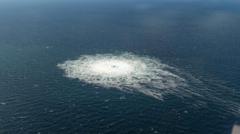
Ukrainian Suspect Faces Charges in Nord Stream Pipeline Explosion
German authorities have formally charged a Ukrainian national in connection with the devastating Nord Stream pipeline explosion, marking a significant development in the ongoing investigation into one of Europe's most consequential energy infrastructure incidents. The charges represent a critical moment that could substantially impact diplomatic relations between Berlin and Kyiv, particularly given Ukraine's categorical denial of any involvement in the Nord Stream incident.
Details of the Investigation
Prosecutors in Germany have proceeded with formal charges against the suspect, though the Ukrainian government has swiftly and unequivocally rejected any allegations suggesting state involvement in the Nord Stream pipeline sabotage. The timing of these charges coincides with heightened scrutiny of energy security across Europe and raises complex questions about responsibility, intent, and the distinction between potential individual actors and official government policy.
Implications for German-Ukrainian Relations
The charges carry substantial weight beyond the immediate legal proceedings, as they arrive during a period when Germany and Ukraine have been navigating increasingly complex geopolitical dynamics. Ukraine's flat denial of involvement in the Nord Stream explosion suggests the country views the charges against the Ukrainian national as potentially damaging to bilateral relations at a time when both nations face external pressures. The incident underscores tensions between security concerns and diplomatic commitments within the European community.
The Nord Stream Pipeline Context
The Nord Stream pipelines represented critical energy infrastructure connecting Russia to Western Europe, with the network previously serving as a major conduit for natural gas supplies. The explosion and subsequent destruction of these pipelines had far-reaching consequences for Europe's energy landscape, forcing nations to rapidly reassess their energy security strategies and international dependencies. The incident accelerated Europe's pivot toward energy diversification and reduced reliance on Russian resources.
International Response and Strategic Significance
The investigation into the Nord Stream pipeline sabotage has attracted international attention, with various nations and organizations monitoring developments closely. Germany's decision to charge the Ukrainian suspect reflects thorough investigative work, yet the absence of conclusive evidence directly linking Ukraine's government to the incident has created diplomatic complexity. Multiple stakeholders maintain distinct positions regarding responsibility and culpability in the Nord Stream affair.
Ukraine's Official Position
Ukrainian officials have categorically denied state involvement in any operation targeting the Nord Stream infrastructure. The country's leadership has stressed that such actions would contradict Ukraine's strategic interests and international standing. The denial carries diplomatic weight as Ukraine seeks to maintain European support during ongoing regional conflicts while simultaneously defending itself against allegations it views as counterproductive to its broader geopolitical objectives.
German Investigation Standards
German law enforcement agencies have conducted extensive investigations to establish facts surrounding the Nord Stream incident. The charges against the Ukrainian national represent conclusions drawn from investigative evidence, though prosecutors must navigate complex jurisdictional and evidentiary challenges inherent in infrastructure sabotage cases. The legal process will likely involve examining motive, opportunity, and technical capability in relation to the charges.
Broader European Energy Security Concerns
Beyond the specific charges and diplomatic tensions, the Nord Stream incident has fundamentally reshaped European approaches to energy infrastructure protection and international energy dependencies. Nations across the continent have implemented enhanced security measures for critical energy installations and explored alternative supply routes. The investigation into what caused the Nord Stream pipeline explosion remains emblematic of contemporary challenges facing European security infrastructure.
Looking Forward
The German charges represent one phase in an ongoing legal and diplomatic process that could take considerable time to fully resolve. The case will require careful navigation by all parties involved, particularly given potential consequences for German-Ukrainian relations. As investigations continue and legal proceedings advance, the international community will closely monitor developments to understand the full circumstances surrounding the Nord Stream pipeline sabotage and its implications for future European security policies.


